10 Meaningful Wedding Roles for Friends and Family
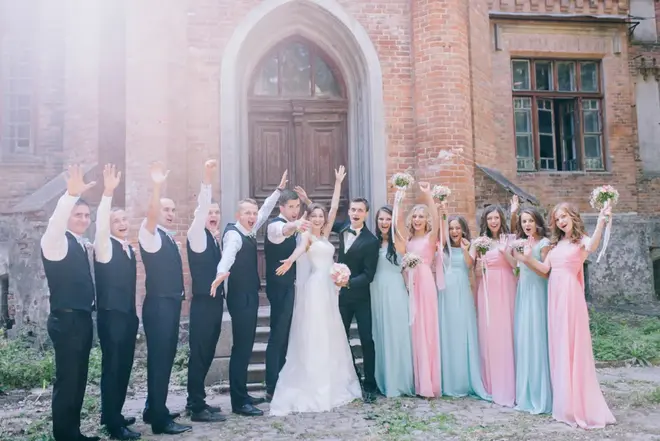
Most couples have more people they want to honor than spots in a traditional bridal party. You might have a college roommate, a work friend who got you through a rough year, or a cousin who has been like a sibling your whole life. Leaving any of them out feels wrong, but a twelve-person wedding party is not what you had in mind either.
The good news: there are plenty of meaningful wedding roles beyond bridesmaid and groomsman that let you include the people who matter most. Some are traditional parts of the wedding ceremony, some are creative additions, and all of them give your loved ones a real part in the celebration rather than just a seat in the audience.
Maid of Honor and Best Man
These two roles carry the most weight and the most responsibility in the wedding party. Your maid of honor and best man serve as your primary support system from the engagement through the reception. They typically act as legal witnesses when signing the marriage license, plan pre-wedding celebrations like the bachelor or bachelorette party, and deliver toasts at the reception.
Choosing these two people is one of the first decisions you will make in wedding planning, and it deserves real thought. The right pick is not always the person you have known the longest. It is the person who will show up consistently, handle logistics without being asked, and keep you grounded when the stress builds. If you are struggling with this decision, our guide on how to choose a maid of honor walks through the key factors.
Bridesmaids and Groomsmen
Your bridal party stands beside you during the ceremony and joins you in the processional. They are part of your wedding photos, your rehearsal dinner, and most of the events leading up to the big day.
There is no magic number for bridal party size. Some couples choose two attendants on each side, others choose eight. The only real consideration is whether you want the ceremony to feel intimate or grand. For a courthouse wedding or small city hall ceremony, a compact bridal party of one or two people on each side fits the setting naturally. Larger venues can accommodate bigger groups comfortably.
If you have more close friends than bridal party spots, that is exactly where the remaining roles on this list become valuable.
Junior Bridesmaids and Groomsmen
Younger members of your circle, typically teenagers or preteens between ages 12 and 17, can serve as junior members of your wedding party. They wear attire that coordinates with the rest of the bridal party and stand with the group during the ceremony processional.
The key difference from adult attendants is that junior bridesmaids and groomsmen usually skip the pre-wedding events. They do not attend bachelor or bachelorette parties and are not expected to plan bridal showers or contribute financially. This makes the role perfect for a younger sibling, a niece or nephew, or a close friend’s teenage child who you want to recognize without burdening them with adult responsibilities.
Flower Girl and Ring Bearer
These are among the most beloved wedding ceremony roles, traditionally filled by young children between ages three and eight. The flower girl walks down the aisle ahead of the bride, scattering petals along the path. The ring bearer carries the wedding bands (or decoy rings, if you are nervous about a five-year-old holding the real ones) on a small pillow or in a decorative box.
Both roles add a moment of genuine warmth to the processional. Guests light up when a small child walks confidently down the aisle, and the slight unpredictability of kids adds charm that no amount of planning can manufacture.
One thing to consider: very young children may get stage fright or refuse to walk. Have a backup plan. A parent standing at the end of the aisle ready to coax them forward usually does the trick. Some couples also give toddlers a wagon to ride in, pulled by an older child or an usher.
Ceremony Reader
Asking a friend or family member to deliver a reading during your wedding ceremony is one of the most personal roles you can offer. The reader shares a poem, a passage from a book, a religious text, a selection from your favorite author, or even something the couple has written specifically for the occasion.
This role works well for someone who is meaningful to you but may not fit naturally into the bridal party: a grandparent, a mentor, a friend from a different chapter of your life. The reading only takes a few minutes, but it gives that person a visible, emotional moment in the ceremony that guests will remember.
Choose someone comfortable with public speaking and give them the text well in advance. Even confident speakers appreciate time to practice and make the delivery feel natural rather than rushed. If your ceremony is short (as most city hall weddings are), one reading is usually enough. Longer ceremonies can accommodate two or three without dragging.
Usher
Ushers greet guests as they arrive at the ceremony venue and escort them to their seats. It is a practical, visible role that sets the tone for the entire event. A friendly usher makes guests feel welcomed and helps everyone find their place without confusion.
This role is especially useful at larger weddings or venues with assigned seating arrangements. If your ceremony has a bride’s side and groom’s side, ushers direct guests accordingly. If seating is open, ushers can still help elderly guests, point out restrooms, and hand out ceremony programs.
You can also extend the usher concept to your reception. A friend stationed near the entrance can greet guests as they arrive, point them toward the seating chart, the gift table, and the bar. This is particularly helpful if your ceremony and reception are at different locations and guests need to reorient themselves.
Guest Book Attendant
Your guest book is a keepsake you will revisit for years, so having every guest sign it matters. The problem is that many guests walk right past it, especially if it is tucked into a corner or if a line forms early and people decide to come back later (and then forget).
A guest book attendant solves this by standing near the book and gently encouraging guests to sign as they pass. Later in the reception, this person can circulate among tables to catch anyone who missed it. It is a low-pressure role that keeps a small but important detail from slipping through the cracks.
This role is ideal for a friend who enjoys talking to people and does not mind a light responsibility. It also works well for someone who might find the physical demands of being in the bridal party difficult but still wants to contribute actively to the wedding day.
Friend Officiant
Having a friend or family member officiate your wedding is one of the most personal choices you can make. Instead of a religious leader or a judge reading standard vows, someone who knows your story, your humor, and your relationship can craft a ceremony that feels genuinely yours.
The logistics are straightforward in most states. Your friend will need to become ordained online (the process typically takes a few minutes and costs little or nothing) and should check your state’s specific legal requirements. Some counties are stricter than others about which ordinations they recognize, so verify this early in the planning process. For more on who can legally officiate a wedding, our guide covers every option.
Give your officiant plenty of lead time. Months, not weeks. They will need time to write the ceremony script, practice the delivery, and coordinate with you on any specific elements you want included, such as unity ceremonies, cultural traditions, or personal anecdotes. Review the script together at least once before the wedding day so there are no surprises.
Alternative Wedding Party Member
If you have already filled your bridal party but still want to honor other close friends, creating an alternative wedding party (sometimes called a “house party” or “honorary attendants”) is a creative option. These friends do not stand at the altar or wear matching outfits, but they are recognized as a special group within your wedding celebration.
Some couples ask their alternative party members to wear a coordinating color (a specific shade of blue or green, for example) so they stand out subtly in photos. You can gather them for a group photo, give them corsages or boutonnieres, or mention them by name in your wedding program.
This approach works especially well for couples who want to acknowledge different friend groups without forcing everyone into one bridal party. Your college friends, your work friends, and your childhood friends can all feel included without the financial and logistical commitment of being a bridesmaid or groomsman. If you are wondering how many people to invite overall, having these extra roles can make guest list decisions easier.
How to Match Roles to the Right People
Assigning wedding roles is not just about filling slots. The best approach is matching each person’s strengths and personality to the role that fits them.
Consider their comfort level. A friend who dreads public speaking should not be your ceremony reader. Someone who is shy with strangers probably is not the right usher. Play to people’s natural strengths and social tendencies.
Be honest about expectations. Every role comes with some level of responsibility, even the small ones. Let people know what is involved before they agree so nobody feels blindsided by unexpected duties or costs.
Respect financial boundaries. Bridal party membership can be expensive, with costs for attire, travel, and pre-wedding events adding up quickly. If you suspect cost might be an issue for someone, offer them a role that does not carry those expenses, like ceremony reader or guest book attendant. Our guide on who pays for what in a wedding breaks down the typical costs.
Ask early. The sooner you ask, the more time people have to prepare. This is especially true for friend officiants, who need months to get ordained and write a ceremony. For bridal party members, asking six to twelve months before the wedding gives everyone breathing room. Timing matters for delegating other wedding tasks too.
Every Role Carries Meaning
The most memorable weddings are not the ones with the biggest bridal parties or the most elaborate ceremonies. They are the ones where guests feel like they belong, where friends and family are woven into the day in ways that reflect real relationships.
Whether someone reads a poem during the ceremony, scatters flower petals down the aisle, or simply makes sure every guest signs the book, each role carries meaning. The goal is not to assign tasks for the sake of it. It is to give the people you love a way to be part of one of the most important days of your life.
Start by listing the people who matter most to you. Then look at this list of roles and let the matches happen naturally. You will find that there is a place for everyone.
Frequently Asked Questions About Wedding Roles
How many wedding roles should I assign to friends and family? There is no set number. Most couples assign between five and ten roles total, including the bridal party. Start with the people you most want to include and work backward from there. It is better to have a few meaningful roles than to create positions just to fill them.
Can I ask an adult to be a flower girl or ring bearer? Yes. Adult flower attendants and ring bearers have become increasingly common, especially at city hall weddings and smaller ceremonies. An adult friend or sibling can scatter petals or carry the rings with the same charm and far less unpredictability than a young child.
When should I ask someone to fill a wedding role? For bridal party members, ask six to twelve months before the wedding. For a friend officiant, give at least three to four months of lead time so they can get ordained and write the ceremony. Ceremony readers, ushers, and guest book attendants can be asked two to three months out.
Do I have to give wedding roles to family members? You do not. While many couples include siblings, cousins, or close relatives in the wedding party, the decision is entirely yours. If a family member would feel hurt being excluded, consider a low-commitment role like ceremony reader or usher that acknowledges the relationship without adding pressure.
What if someone declines a wedding role I offered them? Try not to take it personally. People decline wedding roles for many reasons, including financial constraints, scheduling conflicts, or personal comfort levels. Thank them for being honest and consider offering a different role with fewer demands, or simply let them enjoy the day as a guest.