Wedding Reception Checklist: Plan Every Detail
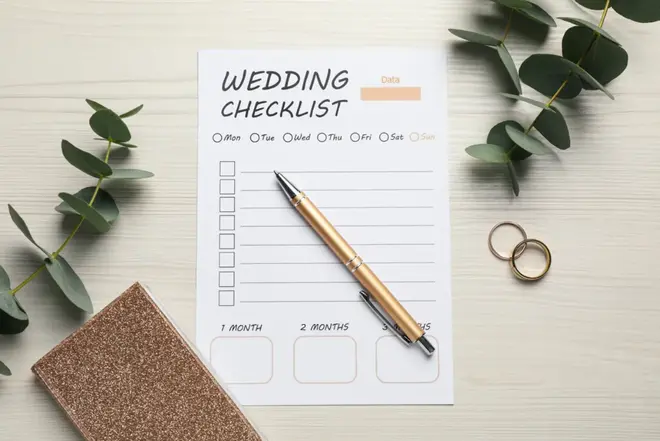
Planning a wedding reception involves dozens of moving pieces, and keeping them all straight in your head is a recipe for forgotten details and last-minute panic. A checklist turns a massive project into a series of small, manageable tasks you can knock out one at a time.
Whether you are throwing a 200-person party or hosting a cozy dinner for your closest friends after a courthouse ceremony, the steps below will keep you organized from the first phone call to the last dance.
Pick Your Reception Date and Lock It In
Everything else depends on your date, so settle this first. Talk through these questions together before committing:
- How long do you want to plan? Most couples give themselves 12 to 18 months of lead time. If you are working with a shorter timeline, that is fine, but you will need to move through this checklist faster.
- Does a particular season appeal to you? Spring and fall weekends book up quickly. A winter or weekday wedding often means better venue availability and lower vendor prices.
- Do certain dates hold meaning for you both? An anniversary, a birthday, or even the date you met can add a personal layer to the celebration.
Once you have a date (or a short list of two or three options), you can start reaching out to venues. No date, no venue. No venue, no reception.
Set a Realistic Wedding Reception Budget
Money conversations are not the most romantic part of wedding planning, but they are the most important. Skipping this step is one of the most common mistakes couples make when organizing their wedding.
Start by adding up three numbers:
- Your combined savings that you can comfortably spend without draining your emergency fund.
- Monthly savings from now until the wedding date. Be conservative here. Overestimating is how couples end up stressed or in debt.
- Family contributions, if any. Have direct conversations about amounts rather than assuming.
That total is your working budget. Write it down and refer back to it constantly. For a deeper breakdown of where the money goes, check out our guide on how to set a wedding budget.
A rough rule of thumb for reception budget allocation:
| Category | Percentage of Budget |
|---|---|
| Venue and catering | 40-50% |
| Photography and videography | 10-15% |
| Music and entertainment | 5-10% |
| Flowers and decorations | 8-10% |
| Attire and beauty | 5-10% |
| Everything else (invitations, favors, transportation, tips) | Remainder |
Choose Your Reception Venue
Your venue shapes everything, from the guest count to the food options to the overall atmosphere. When evaluating reception locations, consider these factors:
- Capacity: Plan for about 80% of your invited list to attend. If you invite 100 people, a venue that fits 80 is a safe bet.
- Inclusions: Some venues provide tables, chairs, linens, and even catering. Others hand you an empty room. The price difference between a full-service and bare-bones venue can be thousands of dollars.
- Noise and time restrictions: Nothing kills a reception faster than being told to wrap up at 9 PM when you planned to dance until midnight.
- Guest accessibility: Think about parking, public transit access, and proximity to hotels if people are traveling.
If you are planning a city hall wedding, many couples hold the reception at a separate location afterward. Restaurants with private dining rooms, community centers, rooftop bars, and even parks can work beautifully depending on your style and guest count. For more ideas, including specific formats that work particularly well for small post-ceremony gatherings, see our guide to reception ideas specifically designed for courthouse weddings.
Build Your Wedding Guest List
Your budget and venue capacity set the boundaries for your guest list. Working within those limits means some tough calls.
A few strategies that help:
- Create two tiers. Your “must invite” list and your “would love to invite” list. Fill the must-invite list first, then add from the second list as your budget allows.
- Set ground rules early. Decide together on plus-ones, children, and coworkers before anyone starts adding names. Our guide on how many people to invite breaks this down further.
- Communicate clearly. If someone is not invited, do not apologize endlessly. A simple, honest explanation goes further than you think.
Once your list is final, send save-the-dates about eight months before the wedding. Follow up with formal invitations six to eight weeks out. Include RSVP deadlines and be prepared to follow up with the people who forget to respond. Someone always forgets.
Plan the Reception Food and Drinks
Food is usually what guests remember most about a reception, so give this section real attention. You have several service formats to choose from:
| Service Style | Best For | Price Range |
|---|---|---|
| Plated dinner | Formal receptions, smaller guest counts | Highest per head |
| Buffet | Relaxed events, variety-focused menus | Moderate |
| Food stations | Interactive receptions, themed menus | Moderate to high |
| Heavy appetizers | Cocktail-style parties, shorter receptions | Lower |
| Family-style | Communal feel, conversation starters | Moderate |
For the wedding cake (or cake alternative), decide early so your baker has lead time. Cupcakes, donut walls, pie tables, and dessert bars have all become popular options beyond the traditional tiered cake. Check out our custom wedding cake ideas for more inspiration.
For drinks, an open bar is generous but expensive. A beer-and-wine bar, a signature cocktail, or a BYOB policy (if the venue allows it) can keep costs manageable without leaving guests thirsty. Our guide on planning a wedding menu covers food and drink decisions in more detail.
Book Your Wedding Vendors Early
Good wedding vendors get booked months in advance, especially during peak wedding season (May through October). Here is your priority booking timeline:
Book 9-12 months out:
- Photographer (and videographer, if you want one)
- Caterer or catering-inclusive venue
- Band or DJ
Book 6-9 months out:
- Florist for ceremony and reception flowers
- Officiant (if combining ceremony and reception location)
- Baker for the wedding cake or dessert
Book 3-6 months out:
- Transportation (shuttle, limo, or vintage car)
- Rentals (tables, chairs, linens, lighting) if the venue does not provide them
- Photo booth or other entertainment extras
For every vendor, get a written contract that spells out the date, time, location, services, total cost, deposit amount, cancellation policy, and backup plan. Verbal agreements fall apart under pressure. For more on what to check in your wedding contract, see our dedicated guide.
Our tips for choosing wedding vendors also walks through reference checks and red flags to watch for.
Plan the Reception Entertainment and Timeline
A reception without a plan tends to stall. Guests sit around wondering what happens next, energy drops, and people start leaving early. A basic timeline keeps things moving.
Sample reception timeline (4-hour reception):
| Time | Activity |
|---|---|
| Hour 1 | Cocktail hour with appetizers and background music while wedding party takes photos |
| Hour 2 | Grand entrance, first dance, welcome toast, dinner is served |
| Hour 3 | Parent dances, speeches and toasts, cake cutting |
| Hour 4 | Open dancing, bouquet/garter toss (optional), last dance, send-off |
You do not need to follow this format exactly. Some couples skip the bouquet toss. Others do the first dance after dinner instead of before. The point is to have a structure so there is always something happening.
For music, a DJ gives you flexibility and usually costs less. A live band brings energy that is hard to replicate. Either way, give them a must-play list and a do-not-play list. Both matter equally. Our guide on hiring wedding musicians on a budget covers this in detail.
Beyond dancing, consider a few activities for guests who prefer not to dance: a photo booth, lawn games (for outdoor receptions), a guestbook station, or a simple card-and-gift table where people can mingle.
Handle the Details That Are Easy to Forget
The big items get all the attention, but small details make the difference between a reception that feels polished and one that feels thrown together.
Day-of logistics checklist:
- Assign someone (a friend, family member, or day-of coordinator) to handle problems so you do not have to. See our list of tasks to delegate on your wedding day
- Confirm all vendor arrival times and setup needs one week before
- Prepare a seating chart and print table assignments
- Arrange transportation for you and your partner to and from the venue
- Designate a point person for gifts and cards so nothing gets lost
Legal tasks:
- Apply for your marriage license well before the ceremony (requirements vary by state, so check early)
- Assign your best man and maid of honor specific responsibilities for the day
- Keep all receipts, contracts, and vendor contact info in one folder, digital or physical
Personal touches:
- Write thank-you notes for anyone who helped with planning
- Prepare a small emergency kit (safety pins, stain remover, pain reliever, phone charger, breath mints). See our full list of what a bride needs on her wedding day
- Plan what you will wear to the reception if you want to change out of your ceremony attire
Your Reception, Your Way
The checklist exists so you can stop worrying and actually be present on your wedding day. Once everything is planned, booked, confirmed, and assigned, your only job at the reception is to celebrate.
Dance with your partner. Eat the cake. Laugh at the toasts. Talk to the people who traveled to be there. The flowers will not be perfect. The timeline will shift by a few minutes. Someone will spill something. None of that matters.
What your guests will remember is how the evening felt, and that feeling comes from you two being happy, relaxed, and genuinely enjoying the party you planned together.
Frequently Asked Questions About Wedding Reception Planning
How far in advance should I start planning my wedding reception?
Most couples start planning their reception 12 to 18 months before the wedding date. This timeline gives you enough room to book popular venues and in-demand vendors before they fill up. If you are working with a shorter timeline (six months or less), prioritize the venue and caterer first since those have the longest lead times.
What percentage of my wedding budget should go to the reception?
The reception typically accounts for 40 to 50 percent of your total wedding budget, with venue rental and catering making up the largest share. Photography, music, flowers, and decorations split the rest. Setting aside a 5 percent buffer for unexpected costs will prevent last-minute budget stress.
How long should a wedding reception last?
A standard wedding reception runs three to five hours. A four-hour reception gives enough time for cocktails, dinner, toasts, and dancing without dragging. Shorter receptions (two to three hours) work well for cocktail-style parties or afternoon celebrations, while longer receptions suit large guest lists with full dinner service.
Do I need a day-of coordinator for my wedding reception?
A day-of coordinator is not required, but having one person (professional or a trusted friend) manage logistics makes a real difference. That person handles vendor arrivals, timeline adjustments, and any problems that come up so you and your partner can enjoy the celebration without fielding questions all night.
What is the best food format for a wedding reception on a budget?
Buffet service and food stations typically cost less per person than plated dinners while giving guests more variety. Heavy appetizer receptions work well for shorter celebrations and cost even less. Family-style service falls in the middle and creates a communal atmosphere that guests tend to enjoy.