10 Summer Wedding Tips to Keep Everyone Cool
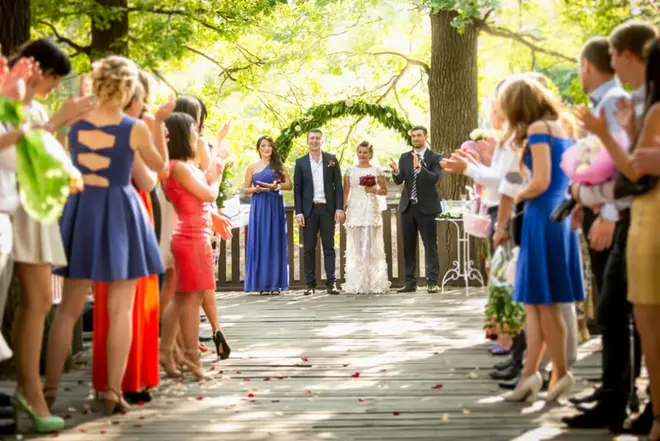
The Appeal (and Challenge) of a Summer Wedding
Summer weddings come with long daylight hours, vibrant greenery, and the freedom to wear lighter, more expressive outfits. But those perks arrive alongside midday heat, unpredictable thunderstorms, and mosquitoes that did not RSVP.
The couples who pull off comfortable summer celebrations aren’t lucky. They’re prepared. Each of the tips below addresses a specific heat-related problem so you can plan with confidence and keep your guests genuinely happy.
1. Build a Seasonal Menu Around Cool, Light Food
Heavy pasta dishes and rich sauces feel wrong when it’s 90 degrees outside. Work with your caterer to design a seasonal menu that matches the weather. Fresh produce, cold preparations, and lighter proteins keep guests satisfied without weighing them down.
For appetizers, think gazpacho, chilled shrimp cocktail, bruschetta, or a fresh summer salad with heirloom tomatoes and burrata. For the main course, lean proteins like grilled salmon or herb-roasted chicken pair well with seasonal sides: grilled vegetables, a corn and avocado salad, or a grain bowl with citrus vinaigrette.
Dessert is where you can get creative. Fruit bars, sorbets, gelato cups, and individual ice cream servings all outperform a traditional buttercream cake that’s been sitting in the sun. If you do want a tiered wedding cake, talk to your baker about fondant or chocolate ganache finishes that hold up better than buttercream in high temperatures.
Any food sitting outdoors above 90°F enters the USDA's "danger zone" after just one hour (two hours at lower temperatures). Work with your caterer to set up shaded serving stations, use chilled platters, and rotate perishable items frequently. Dairy-based desserts and seafood appetizers need extra attention.
For the bar, frozen cocktails like margaritas, frose, or flavored lemonade with vodka give guests something refreshing to hold. Make sure cold items have proper refrigeration (not just coolers), especially for anything dairy-based or frozen. A good caterer will have a food safety plan that accounts for outdoor serving temperatures.
2. Choose Decor That Can Handle the Heat
Fresh flowers add beauty to any wedding, but not all blooms survive a hot afternoon. Delicate varieties like gardenias and peonies wilt fast in direct sunlight, and arrangements can look tired within hours of being set out.
Opt for hardier options instead. Tropical flowers like orchids, protea, and birds of paradise hold up well in warm weather, as do succulents, eucalyptus, and other leafy greenery. These choices look stunning in centerpieces, ceremony arch arrangements, and aisle markers without drooping by the time you cut the cake.
If you have your heart set on more delicate flowers for your bridal bouquet, keep it in a vase of cold water in the shade whenever you’re not holding it. Fill out the arrangement with sturdier greens so a few wilted petals don’t ruin the whole look. Your florist should know which summer blooms are best suited for outdoor ceremonies in the heat.
3. Have a Rain Backup Ready
Summer thunderstorms show up fast and leave just as quickly, but they can wreck an outdoor ceremony if you don’t have a contingency plan. Two reliable approaches work here.
Option one: Rent a tent or canopy that covers your ceremony space and at least part of the reception area. A clear-top tent gives you the outdoor feel with overhead protection from both rain and direct sun.
Option two: Book a venue that offers both indoor and outdoor spaces. Many parks, estates, and courthouse wedding venues have covered areas or indoor rooms that serve as reliable backups when the weather turns.
Either way, make the decision before your wedding day. Scrambling to move 80 chairs during a downpour is not how you want to remember your ceremony. Include your rain plan in your wedding day timeline and brief your coordinator or day-of helpers so everyone knows the drill.
4. Create Shade and Cooling Stations
Even without rain, your guests need relief from the sun. Tents and large patio umbrellas provide shade, but a few thoughtful touches show you planned for their comfort.
Fans are a simple and inexpensive addition. Handheld paper fans double as ceremony programs when you print the order of events on them. Battery-powered misting fans work well at outdoor cocktail hours and can be rented from event supply companies.
Order oversized handheld paper fans and print your ceremony program on one side. Guests get the order of events and a way to cool off, and you save money by combining two items into one. Most print shops can handle this for about the same price as standard ceremony programs.
Cold towels in a decorative basket give guests a quick cool-down. Roll damp washcloths, chill them in a cooler with ice, and add a few drops of lavender or eucalyptus essential oil for a spa-like touch.
Hydration stations with infused water (cucumber-mint, lemon-basil, or strawberry) placed near seating areas keep people from overheating. Don’t rely on the bar alone for drinks. Water should be everywhere and easy to grab, especially during the ceremony and cocktail hour.
5. Pick Wedding Attire That Breathes
The fabric you wear matters as much as the style. A structured satin gown or a wool suit will have you soaking through within an hour in summer heat.
For brides, look for dresses in chiffon, cotton, linen, or lightweight silk organza. A-line and flowy silhouettes let air circulate, and shorter hemlines keep you cooler from the ground up. A shorter reception dress for dancing and mingling after the ceremony is a practical swap that still feels special.
For grooms, a lightweight cotton or linen suit in a lighter color (tan, light gray, soft blue) keeps you comfortable without sacrificing style. Skip the vest if it’s going to be above 85 degrees Fahrenheit. A well-fitted suit in breathable fabric looks sharp even without the extra layer. Check out our guide to groom suits for city hall weddings for more ideas on warm-weather formalwear.
For the wedding party, consider giving bridesmaids and groomsmen fabric and color guidance rather than identical outfits. Coordinated, not matching, lets each person choose something they’ll actually be comfortable in throughout a long summer day.
6. Set a Dress Code That Keeps Guests Comfortable
Your wedding party and guests will thank you for thinking about their comfort too. Bridesmaids in dark, heavy fabrics and groomsmen in three-piece wool suits will be miserable by cocktail hour.
Choose light-colored, breathable fabrics for your wedding party. Short-sleeve or sleeveless bridesmaid dresses in pastels or summer wedding colors work well for outdoor celebrations. Let groomsmen skip the tie or jacket if temperatures warrant it.
For guests, add a note to your wedding invitations about the dress code and the outdoor setting. Something like “Summer garden attire” or “Dressy casual, outdoor celebration” tells people they can leave the heavy suits at home without showing up in flip-flops. A wedding stationery insert with venue details and weather expectations goes a long way toward keeping everyone comfortable.
7. Make Sunscreen Part of the Plan
Sunburned wedding photos are not a good look. If your ceremony or cocktail hour happens outdoors between 11 AM and 4 PM, sun protection needs to be on your planning checklist.
Apply SPF 30 or higher sunscreen before getting dressed. Many modern foundations and tinted moisturizers include SPF, which covers your face and neck without a greasy residue. For exposed shoulders, arms, and backs, use a lightweight spray formula that won’t stain clothing or leave white marks on darker fabrics.
Set out a basket of sunscreen at the ceremony entrance or near the cocktail hour space. A small sign that says “Don’t let the sun steal the spotlight” (or whatever fits your style) makes it feel intentional rather than last-minute. Sunscreen also works well as a practical wedding favor if you package individual bottles with a custom label.
8. Prepare for Evening Bugs
Once the sun goes down, the mosquitoes come out. Outdoor evening receptions in parks, gardens, or near water are especially vulnerable to insects.
Stock up on citronella candles and place them around the perimeter of your reception space and on each table. They add warm ambiance while keeping bugs at bay. For larger outdoor areas, consider a professional mosquito treatment applied a day or two before the event.
Provide individual bug spray wipes or towelettes at tables so guests can apply repellent discreetly. Avoid aerosol sprays near food service areas. If the bug situation gets truly bad, having an indoor fallback space lets you move the party without shutting it down.
9. Consider an Indoor Ceremony with an Outdoor Reception
You don’t have to pick one or the other. Many couples find that splitting the day between climate-controlled and open-air spaces gives them the best result.
An indoor ceremony during the hottest part of the afternoon keeps everyone comfortable during the formal portion. A courthouse or city hall ceremony followed by an outdoor garden reception in the cooler evening hours gives you the best of both settings.
The best outdoor wedding photos happen during golden hour: typically one to two hours before sunset. In most of the US during summer, that means starting photos around 6:30 to 7:30 PM. Plan your ceremony timing backward from golden hour to get the best natural light without the worst heat.
This approach also solves the lighting problem. Outdoor golden-hour portraits produce beautiful, warm natural light without the harsh midday shadows that make everyone squint. If you’re planning your wedding on a shorter timeline, splitting indoor and outdoor spaces also simplifies vendor coordination.
10. Schedule Around the Hottest Hours
The simplest summer wedding tip is also the most effective: don’t plan outdoor activities during peak heat. In most regions of the United States, the hottest part of the day falls between noon and 3 PM.
A late-afternoon ceremony starting at 4 or 5 PM means cooler temperatures, softer light for wedding photography, and a natural transition into an evening reception. If you prefer a morning wedding, an early start (before 11 AM) lets you finish the outdoor portion before the heat peaks.
Build in a gap between the ceremony and reception if needed. Guests can freshen up, change into more comfortable shoes, and arrive at the reception ready to celebrate rather than wilt. Delegating logistics tasks like setup adjustments during this gap keeps everything running on time while you focus on photos.
Make Summer Work for You, Not Against You
A summer wedding doesn’t have to mean sweaty guests and wilted flowers. The couples who plan around the heat, rather than hoping it won’t be that bad, end up with celebrations that feel effortless.
Start with your timeline and venue, then layer in the details: seasonal food, breathable fabrics, shade, hydration, and bug protection. When you address comfort head-on, your guests spend less time fanning themselves and more time dancing, laughing, and actually enjoying your wedding day.
Frequently Asked Questions
What time of day is best for a summer wedding?
Late afternoon (4 or 5 PM) is the sweet spot. Temperatures start dropping, the light softens for photos, and you transition naturally into an evening reception. If you prefer a morning ceremony, starting before 11 AM lets you finish outdoor activities before peak heat.
How do you keep guests cool at an outdoor summer wedding?
Combine shade structures like tents and umbrellas with cooling stations that include cold towels, misting fans, and infused water. Place hydration stations near seating areas so guests can grab water easily. Paper fans that double as ceremony programs are a low-cost addition guests actually appreciate.
What flowers hold up best in summer heat?
Orchids, birds of paradise, protea, succulents, and eucalyptus all handle warm temperatures well. Avoid delicate blooms like gardenias and peonies for outdoor arrangements. If you want softer flowers in your bridal bouquet, keep it in cold water and shade between photos.
Should I have a rain plan for a summer wedding?
Yes. Summer storms can roll in with little warning. Either rent a tent or canopy for your outdoor space, or book a venue with both indoor and outdoor options. Decide on your backup plan weeks in advance and make sure your coordinator and vendors know the contingency.
What should guests wear to a summer outdoor wedding?
Light-colored, breathable fabrics work best. Include a dress code note on your invitations such as “Summer garden attire” or “Dressy casual, outdoor celebration” so guests know to dress for the heat. This prevents overdressing and keeps everyone more comfortable throughout the event.