Maid of Honor Duties: A Complete Wedding Checklist
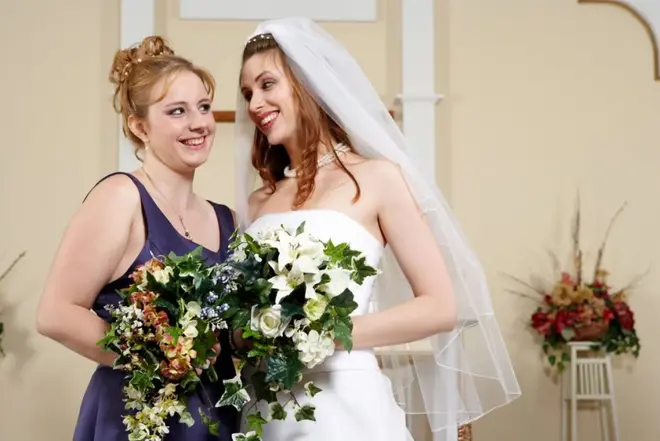
What the Maid of Honor Role Actually Involves
Being asked to serve as maid of honor is one of the highest compliments a bride can give. It means she trusts you more than anyone else to stand beside her through one of the biggest days of her life.
But it is also a real commitment. The maid of honor fills three distinct roles at once: emotional anchor for the bride, logistics coordinator for the bridal party, and on-the-spot problem solver when anything goes sideways. Whether the wedding is an intimate courthouse ceremony or a 200-person celebration, your responsibilities start weeks (sometimes months) before the ceremony and continue until the last guest leaves the reception.
Here is what to expect, broken down by timeline so you can plan ahead.
Pre-Wedding Duties: Planning, Shopping, and Coordination
The months leading up to the wedding are where you will spend most of your energy. The bride will lean on you for opinions, organization, and moral support in roughly equal measure.
Help with wedding planning decisions. You are not the wedding planner, but you are the bride’s most trusted sounding board. Expect to weigh in on everything from invitation wording to menu choices to venue selection. If the couple is considering a city hall ceremony, you might help them research requirements, timelines, and what to expect on the day itself.
Attend dress fittings and shopping trips. Most brides want their maid of honor present when they try on wedding dresses. Your job is not to play stylist. It is to give honest feedback, keep the energy positive, and help the bride feel confident in her choice. Bring water, snacks, and patience. These appointments can run long.
Coordinate the bridal party. You are the point person for the other bridesmaids. That means managing the group chat, making sure everyone orders their dresses and accessories on time, and coordinating hair and makeup appointments. If out-of-town members need travel or accommodation help, you will likely handle that too. For a full breakdown of roles you can delegate on the wedding day, share the list with your group early.
Plan the bridal shower and bachelorette party. These two pre-wedding events fall squarely in your territory. You do not have to do everything alone; splitting costs and tasks with other bridesmaids is completely normal. But you are the one driving the planning. Think about what the bride actually enjoys, not what looks good on social media. If you need bridal shower inspiration or want to understand how a bridal shower differs from a bachelorette party, those guides cover both.
During the bridal shower, keep a running list of who gave what gift. The bride will need this later when she writes thank-you notes, and she will be too busy in the moment to track it herself.
Pro tip: Create a shared spreadsheet for shower gifts before the event. Include columns for the guest name, gift description, and whether the thank-you card has been sent. This small step saves the bride hours of post-wedding stress.
Field guest questions. Even with a wedding website that covers every detail, some guests will have questions about dress codes, parking, timing, or gift registries. You will share this duty with the best man, but be ready to answer calls and texts from people who did not read the FAQ. For guidance on what guests typically ask about attire, the courthouse wedding dress code guide covers the basics.
Wedding Day Morning: Setting the Tone
The wedding morning sets the tone for everything that follows. Your goal is to keep things calm, organized, and on schedule.
Get ready with the bride and bridal party. You will be in the bridal suite helping everyone look their best. This is partly practical (zipping dresses, adjusting hair pieces) and partly emotional. The bride may be nervous, excited, or both. Your presence matters more than you think.
Pack the wedding day emergency kit. This is one duty that separates a prepared maid of honor from everyone else. Put together a small bag with items that handle common last-minute problems: safety pins, fashion tape, Band-Aids, a stain remover pen, breath mints, tissues, bobby pins, a phone charger, and touch-up makeup. You probably will not need all of it. But the one time you do, you will be glad you packed it.
What goes in the emergency kit: Safety pins, fashion tape, Band-Aids, a stain remover pen, breath mints, tissues, bobby pins, a phone charger, clear nail polish (stops stocking runs), and touch-up makeup. Pack it in a bag small enough to stash under a table at the ceremony.
Keep the timeline moving. Someone needs to watch the clock, and that someone is you. If the bridesmaids are lingering over mimosas when they should be getting into their dresses, give a gentle nudge. If hair and makeup is running behind, flag it early so adjustments can be made. Nobody wants to rush, but nobody wants to be late to the ceremony either.
During the Ceremony: Standing at the Altar
Once the ceremony starts, your role shifts from behind-the-scenes coordinator to visible participant.
Hold the bride’s bouquet. When the bride reaches the altar and turns to exchange vows, you take her bouquet. This frees her hands for the ring exchange and keeps the flowers from getting crushed. If the bouquet is large or heavy, ask another bridesmaid to help.
Adjust the dress and veil. Before the ceremony begins in earnest, take a quick look at the bride’s train, veil, and dress. Straighten anything that shifted during the walk down the aisle. This takes five seconds and makes a real difference in the wedding photos.
Relay messages between the couple. On the wedding day, the bride and groom are often kept apart until the ceremony (especially if they are doing a first look or keeping things traditional). You and the best man serve as go-betweens, delivering notes, small gifts, or updates between them.
Handle vendor communication. The bride should not be troubleshooting vendor issues on her wedding day. If a florist is running late or the photographer has a question, step in. In most cases the venue coordinator or wedding planner manages these conversations, but if something slips through, you are the buffer between the problem and the bride.
Signing the Marriage License as a Witness
Here is a duty many maids of honor do not know about until the day arrives: you may be asked to sign the marriage license as an official witness.
After the ceremony, the couple and the officiant sign the marriage license. Most states require one or two witnesses to also sign. The maid of honor and best man traditionally fill this role. It is a quick signature, but it carries real legal weight. You are attesting that you watched the marriage take place.
If you are attending a courthouse wedding where the couple is handling their own paperwork, ask ahead of time whether witnesses are required. Requirements vary by state and county, and some courthouses provide their own witnesses if needed. For state-specific details, check who can legally officiate a wedding in your area, since officiant and witness rules often overlap in the same statutes.
The Reception: Toasts, Support, and Celebration
The hard work is mostly behind you at this point. The reception is where you get to enjoy the day, but you still have a few key responsibilities.
Make your entrance with the best man. As the wedding party is introduced at the reception, you and the best man typically enter together. Some pairs do a choreographed entrance, others keep it simple with a walk and wave. Discuss this ahead of time so neither of you is caught off guard.
Give a toast (if asked). Not every maid of honor gives a speech, but most do. Keep it under three minutes. Share a genuine story about your relationship with the bride, say something kind about the couple together, and raise your glass. Write it down and practice it beforehand. Winging a wedding toast rarely goes as well as people hope.
Toast timing tip: Practice your speech at least three times out loud before the wedding. Time yourself. If it runs over three minutes, cut it. The best toasts are short, personal, and end with a clear raise of the glass.
Keep an eye on the bride. Is she eating? Has she had water? Is she stuck in a long conversation with a relative she would rather escape? Your job is to quietly make sure she is actually enjoying her own party. Bring her a plate of food if she has not made it to the buffet. Refill her drink. These small gestures mean a lot on a day that moves fast.
Help with reception logistics. Whether the couple planned a sit-down dinner or a casual after-party, there may be last-minute coordination needed: gift table organization, directing guests to their seats, or making sure the DJ has the right playlist. Stay available and flexible.
Wrapping Up: What a Great Maid of Honor Does After the Party
Your official duties wind down after the reception, but a thoughtful maid of honor handles a few final things. Help gather gifts and cards so nothing gets left behind at the venue. Make sure the bride’s personal items (phone, purse, change of clothes) are accounted for. If the couple is heading to a hotel or leaving for their honeymoon, confirm the reservation details are in order.
In the days that follow, check in on the bride. The post-wedding emotional drop is real, and a text that says “that was an amazing day” goes further than you might expect.
Being a maid of honor requires real effort across months of planning and a full day of hands-on support. It can also be one of the most rewarding experiences of a close friendship. The bride chose you because she trusts you, and showing up fully for every part of the process is how you honor that trust.
How does a maid of honor differ from a matron of honor?
The only difference is marital status. A maid of honor is unmarried, while a matron of honor is married. The duties, responsibilities, and role in the wedding are identical. Some brides choose one of each if they have two close people they want to honor.
Can you have two maids of honor?
Yes. There are no rules against having two maids of honor, and many brides choose this option when they cannot pick between a sister and a best friend. Split the duties ahead of time so both people know their responsibilities. One might plan the bridal shower while the other handles the bachelorette party.
What does the maid of honor pay for?
The maid of honor typically pays for her own dress, shoes, hair and makeup, travel to the wedding, and a share of the bridal shower and bachelorette party costs. She does not pay for the bride’s expenses unless she chooses to. Setting a group budget early prevents awkward conversations later.
How far in advance should a maid of honor start planning?
Start planning as soon as the bride asks you. For the bridal shower, begin organizing at least two to three months before the wedding date. The bachelorette party needs similar lead time, especially if travel is involved. Day-of logistics like the emergency kit and timeline review can wait until the week before.
What if I cannot afford to be maid of honor?
Talk to the bride honestly and early. Most brides would rather adjust expectations than lose you from the role. You can scale back the bridal shower budget, skip a destination bachelorette in favor of a local celebration, or ask the bridal party to split costs more evenly. Being direct about finances strengthens the friendship rather than straining it.