How to Plan a Wedding Menu: 7 Tips That Work
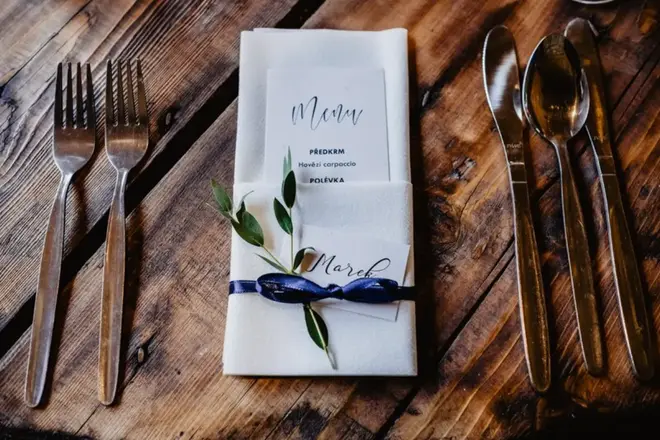
Your wedding reception food does more than fill plates. It sets the mood for your entire celebration, keeps guests energized on the dance floor, and creates sensory memories that last for decades. The aroma of a perfectly seasoned main course, the first bite of wedding cake, the clink of glasses during toasts: these moments become part of your story as a couple.
A wedding menu typically accounts for 30 to 50 percent of the total reception budget. Planning it well means balancing cost per guest, seasonal ingredient availability, dietary accommodations, and the serving style that fits your venue. Whether you’re hosting an intimate courthouse wedding reception or a large formal dinner, these seven tips will help you build a menu that feels personal, stays on budget, and leaves your guests genuinely impressed.
Set a Food Budget Before You Start Tasting
The menu planning process should always start with a number. A wedding food budget gives you a framework for every decision that follows, from the type of cuisine to the caterer you hire.
Divide your total food and beverage allocation by your expected guest count to calculate a per-person cost. This per-person number is the single most useful figure in wedding catering, because it immediately tells you which serving styles and menu tiers are realistic.
If the per-person number feels tight, you have solid options. Appetizer-heavy receptions, brunch menus, and buffet setups all cost significantly less than plated multi-course dinners. A Saturday brunch wedding with quiche, fresh fruit, and mimosas can feel every bit as special as a steak dinner, often at half the price. Many couples who plan a wedding in a short timeframe find that simpler menus also reduce vendor coordination time.
Choose a Serving Style That Matches Your Vibe
The way food reaches your guests shapes the entire atmosphere of your wedding reception. Each serving style creates a different energy and works best in specific venue layouts.
- Buffet service: Casual, social, and flexible. Guests mingle while choosing what they want. Works well for medium to large weddings with 80 or more guests.
- Plated meals: Formal and elegant. Professional servers bring each course to the table. Best for smaller, sit-down receptions where you want a structured dining experience.
- Food stations: Interactive and fun. A taco bar, a pasta station, a carving table. Guests move around and try different things, which naturally encourages conversation.
- Heavy appetizers: Perfect for cocktail-style receptions where you want guests on their feet, talking and dancing. Lower cost per person than a full seated dinner.
- Family style: Warm and communal. Large platters go on each table, and guests serve themselves. This approach creates a shared, home-cooked feeling that works particularly well for intimate celebrations.
Your venue layout matters here too. A cocktail-style reception with passed hors d’oeuvres works in an open space with room to move. A family-style dinner needs tables large enough for shared platters. Think about the physical space before committing to a style. If you’re still deciding on your venue, your choice of reception space will directly influence which menu formats are practical.
Cook With the Season, Not Against It
The time of year you’re getting married should influence what goes on the menu. Seasonal ingredients taste better, cost less, and give your wedding menu a natural coherence that guests notice even if they can’t articulate why.
Spring and summer weddings call for lighter fare: grilled fish, fresh salads with local greens, berry desserts, chilled soups, and sparkling drinks. Your guests will be grateful for food that doesn’t weigh them down in warm weather. For summer weddings specifically, cold appetizers and frozen desserts also help keep everyone comfortable.
Fall and winter weddings invite heartier options: braised meats, roasted root vegetables, warm bread, rich sauces, and hot cider. Comfort food feels right when it’s cold outside, and these dishes often pair beautifully with red wine. A winter wedding menu built around seasonal root vegetables and braised proteins can cost 15 to 20 percent less than importing summer produce in December.
Talk to your caterer about what’s in season during your wedding month. Many wedding caterers get excited about seasonal menus because the ingredients are fresher and easier to source from local farms. You may save money, since in-season produce doesn’t need to be shipped across the country.
Make the Menu Personal to Both of You
Your wedding menu is a chance to tell your story as a couple. The food you choose can reflect where you come from, what you love, and the experiences you’ve shared together. A personalized wedding menu creates stronger guest memories than a generic banquet selection.
Maybe you got engaged over tacos at your favorite neighborhood spot. Maybe one of you is from New Orleans and the other from Maine. Maybe Sunday morning pancakes are your thing. These details can inspire menu choices that feel genuinely personal.
Some ideas for adding personality to your wedding food:
- Serve a dish from each partner’s cultural background
- Name signature cocktails after meaningful inside jokes or places
- Include a family recipe as one of the courses
- Feature food from the restaurant where you had your first date
- Ask your wedding cake baker to recreate a dessert from a trip you took together
Guests remember when the food tells a story. A menu that could belong to any wedding is forgettable. A menu that could only belong to yours is not. If you’re looking for more ways to make your celebration feel unique, custom wedding cake ideas are another place where personality shines through.
Account for Dietary Needs Early
Dietary restrictions are a standard part of wedding event planning, and handling them well shows your guests you thought about them individually. Send out a dietary needs question with your wedding invitations so you know what you’re working with before you finalize anything with the caterer.
At minimum, plan to offer:
- A vegetarian option for every course
- At least one dish that’s both gluten-free and dairy-free
- Clear labeling on buffets or food stations so guests with food allergies can self-select safely
If you’re doing plated meals, offering a choice of meat, fish, and vegetarian covers most dietary situations. For buffet-style receptions, variety is built in, which makes accommodating different needs simpler. Your wedding reception checklist should include a dietary accommodation deadline at least three weeks before the wedding date.
Let your caterer know about specific allergies (especially tree nuts, shellfish, and dairy) well in advance. An experienced wedding caterer has handled all of these before and can adapt without making the menu feel like an afterthought. Cross-contamination protocols matter too, so ask how the kitchen separates allergen-sensitive dishes during preparation.
Pair Food and Drinks With Intention
The drinks at your reception should complement the food, not compete with it. You don’t need to be a sommelier to get this right. A few thoughtful food and wine pairings go a long way toward making the meal feel polished.
For plated dinners: Ask your caterer or a wine-savvy friend to suggest one white and one red that pair with your main courses. Most wedding caterers offer beverage pairing guidance as part of their service package.
For buffets and stations: A simple drink menu works best. Offer beer, wine, and one or two signature cocktails. A themed cocktail that ties into your wedding colors, season, or personal story gives guests something to talk about and doubles as a conversation starter.
For budget-friendly options: A beer-and-wine-only bar cuts costs dramatically compared to a full open bar. Batch cocktails like sangria or spiked lemonade punch are crowd-pleasers that cost a fraction of individually mixed drinks. Couples looking to cut wedding costs often find the bar is the easiest place to save without guests noticing.
Put Thought Into Presentation
How your food looks matters almost as much as how it tastes. Food presentation turns a good meal into a memorable experience, and it doesn’t require a massive budget to pull off.
Work with your caterer on plating style. Even simple dishes look intentional when they’re arranged with care on the right plates. Garnishes, sauce drizzles, and thoughtful color contrast on the plate can turn a standard chicken breast into something that feels special.
For buffets and food stations, think about height, texture, and flow. Tiered displays, wooden boards, and varied serving vessels create visual interest that photographs well. You can tie the food presentation into your wedding theme by using your color palette in linens, garnishes, or table flowers near the food area. Creative table decoration around the food display pulls the whole look together.
One detail couples often overlook: the printed menu card. A menu card on each table (even a simple one on card stock) tells guests what they’re eating and builds anticipation for each course. It also serves as a keepsake and adds to the overall wedding stationery collection. It’s a small touch that makes the meal feel considered and complete.
Your Menu Sets the Tone for the Whole Night
The food at your wedding isn’t a checkbox on a planning spreadsheet. It’s the centerpiece of your celebration, the thing that brings everyone to the same table and fuels the toasts, the laughter, and the dancing that follows.
Start early, stay flexible, and remember that the best wedding menus aren’t the most expensive ones. They’re the ones that feel like the couple who planned them. Whether you’re serving a five-course plated dinner or street tacos from a food truck, own the choice and make it yours.
Ready to start planning the rest of your big day? Check out our guides on wedding ceremony etiquette, choosing your wedding vendors, and delegating wedding day tasks so you can enjoy every moment.
Frequently Asked Questions
How much should you spend on food for a wedding?
Most couples allocate 30 to 50 percent of their total wedding budget to food and beverages. The national average for wedding catering runs between $70 and $150 per person, depending on the serving style, region, and menu complexity. Buffet service typically costs 20 to 30 percent less per guest than plated multi-course dinners.
How far in advance should you book a wedding caterer?
Book your wedding caterer 6 to 12 months before your wedding date, especially if you’re getting married during peak season (May through October). Schedule a tasting 3 to 4 months before the wedding to finalize your menu selections. Confirm dietary accommodations and final guest count at least 2 to 3 weeks before the event.
What is the most affordable wedding food option?
Brunch receptions, heavy appetizer menus, and buffet service are the most budget-friendly wedding food options. A brunch wedding with egg dishes, pastries, and mimosas can cost 40 to 50 percent less per guest than an evening plated dinner. Food trucks are another affordable option that adds personality and keeps per-person costs between $15 and $40.
How many food options should a wedding menu have?
A well-rounded wedding menu typically includes 3 to 5 appetizer selections, 2 to 3 main course options (including at least one vegetarian choice), and 1 to 2 dessert offerings. For buffet service, plan 6 to 8 total dishes to give guests variety without creating food waste. Plated dinners usually offer 2 to 3 entree choices selected by guests on their RSVP cards.
Should you do a food tasting before your wedding?
Yes. A wedding food tasting lets you sample exact portions, evaluate presentation quality, and confirm flavor profiles before committing to a caterer. Most caterers offer complimentary tastings for couples who have signed a contract, typically 3 to 4 months before the wedding. Bring your partner and one trusted person for honest feedback on seasoning, portion sizes, and plating.