How to Create a Wedding Seating Chart for Your Day
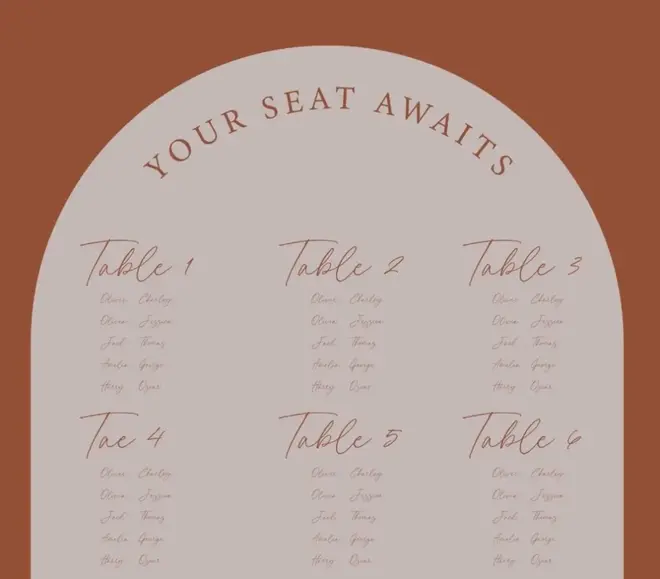
Few wedding planning tasks inspire as much dread as the seating chart. You’re balancing family dynamics, friend groups, plus-ones who don’t know anyone, and the uncle who talks politics at every gathering. A solid approach takes most of the stress out of the process, and you can start earlier than you think.
This guide walks through every step, from choosing your table layout to handling the tricky guest placement decisions that keep couples up at night.
Start With Your Venue Floor Plan, Not Your Guest List
Most couples jump straight into “who sits where” without first understanding the physical space. That’s backwards. Your venue’s floor plan dictates how many tables you need, what shape they should be, and how many seats fit at each one.
Request a floor plan from your venue coordinator, or sketch one yourself after a walkthrough. Pay attention to:
- Sight lines to the head table. Every guest should be able to see you during toasts and cake cutting.
- Proximity to the bar and restrooms. Tables near high-traffic areas get more noise and foot traffic.
- Dance floor adjacency. Guests closest to the dance floor will feel the music most, which is great for friends who love to dance and less ideal for elderly relatives.
- Server access paths. Leave enough room between tables for catering staff to move freely. Most venues recommend at least five feet between table edges.
Once you know your layout, you can count seats and start grouping guests with confidence rather than guesswork.
Choose the Right Table Shape for Your Reception
Table shape affects conversation flow more than most couples realize. Each option creates a different social dynamic that influences how guests interact throughout the meal.
Round tables (seats 8 to 10) are the most common choice for wedding receptions. Everyone can see and talk to everyone else at the table. They work well for mixing guests who don’t know each other, since no one is stuck at the “end” of anything.
Long rectangular banquet tables create a more intimate, family-dinner atmosphere. They’re ideal for smaller receptions or when you want a communal feel. The trade-off: guests can only easily talk to the two or three people directly across from and next to them.
A mix of both shapes gives you flexibility. Use long tables for the wedding party and close family, then rounds for remaining guests. This also adds visual interest to the reception room.
If your reception is at a courthouse or city hall, your table options may be more limited. Work with whatever the venue provides and focus your energy on smart guest groupings instead.
Set Up Your Head Table Before Placing Other Guests
Your table is the anchor point for the entire seating arrangement. Decide your head table configuration before placing a single other guest.
The sweetheart table seats just the two of you. It gives you a few quiet moments together during what will be a whirlwind evening. Place it front and center so all guests can see you during speeches and toasts.
The traditional head table seats the couple with their wedding party. If you go this route, decide whether plus-ones of the wedding party members sit at the head table or at nearby tables. There’s no wrong answer, but communicate your decision early so no one is caught off guard.
A family head table seats the couple with both sets of parents and grandparents. This works particularly well for smaller weddings or intimate celebrations where family is the centerpiece.
Whichever style you pick, position your table where it’s visible from every corner of the room. Guests will look your way throughout the night, especially during toasts and speeches.
Quick tip: If your wedding party is larger than six people, a traditional head table can stretch across the entire room and make conversation difficult. A sweetheart table for the couple plus a nearby "VIP table" for the wedding party keeps everyone close without the logistical headache.
Group Guests by Connection, Not by Obligation
This is where most wedding seating charts go sideways. Couples try to spread people evenly or, worse, play matchmaker with their single friends. The simplest rule that actually works: seat people with the people they already know and like.
Your co-workers should sit together. They share context, inside jokes, and conversation starters that will carry them through the entire meal.
College or school friends belong at the same table, even if some of them also know your family. People revert to their most comfortable social group at events like weddings.
Parents’ guests are often the hardest to place because you may not know them well. Ask your parents for help here. They’ll know which of their friends get along and which combinations to avoid.
Neighbors, hobby friends, and other smaller groups can be combined at shared tables. Look for common ground: similar ages, shared interests, or compatible energy levels. A table of quiet readers and a loud group of sports fans won’t mix well.
Handle Sensitive Seating Situations Early
Every family has at least one tricky dynamic. Address these head-on rather than hoping for the best.
Divorced parents who don’t get along need separate tables, period. Give each parent their own table and seat their closest friends or family members with them. Don’t force proximity for the sake of tradition, and follow general wedding etiquette that keeps things comfortable for everyone.
Feuding relatives should be placed on opposite sides of the room. You don’t need to acknowledge the conflict or take sides. Quietly put physical distance between them.
Solo attendees without a plus-one need extra thought. Seat them with people who are naturally welcoming and conversational. Never group all your solo guests at one table as if they’re leftovers.
Ex-partners who are both invited (it happens) should obviously be at different tables. Check the sight lines too, so they’re not staring directly at each other all night.
If you’re still working on your guest list, this is a good time to think about how many people to invite and how the number will affect your seating plan.
Worth remembering: You don't owe anyone an explanation for their table assignment. If a guest asks why they weren't at a "better" table, a simple "we put a lot of thought into the seating and hope you enjoy the people at your table" is enough.
Set Up a Kids’ Table That Actually Works
If children are part of your wedding celebration, a dedicated kids’ table prevents the chaos of small people wandering between adult conversations. A few practical tips:
- Place the table close to the dance floor. Kids are typically the first ones dancing, and keeping them near the action channels that energy in a fun direction.
- Keep it away from the bar and any breakable centerpieces.
- Consider age grouping. A table of toddlers needs different management than a table of ten-year-olds.
- Teenagers generally prefer their own table. They’ll appreciate being treated as their own group rather than lumped in with younger children or seated awkwardly with adults they barely know.
Stock the table with age-appropriate activities like coloring books, small games, or puzzles to keep younger kids entertained between courses.
Build Your Seating Chart With Sticky Notes, Then Go Digital
The most effective method combines analog flexibility with a digital final product.
Start with a hand-drawn floor plan and write each guest’s name on a sticky note. Move people around freely as you work through the groupings above. Sticky notes let you experiment without commitment, which is exactly what you need during the early stages of seating chart planning.
Once you’re satisfied with your arrangement, transfer everything to a digital tool or spreadsheet. This becomes your master reference for:
- Ordering place cards or table decorations
- Communicating with your caterer about meal counts per table
- Making last-minute swaps as RSVPs change
- Creating a printed seating chart display for the reception entrance
Give yourself a deadline for finalizing the chart: two weeks before the wedding. This leaves time to print escort cards, build a display board, and handle any last-minute RSVP surprises.
Planning timeline: Wait until your RSVP deadline passes before finalizing anything. Most couples set their RSVP deadline four to six weeks before the wedding, which gives you two to four weeks of buffer for stragglers before you need to lock in the chart.
What to Do When Guests Complain About Their Seats
It will probably happen, and it’s not a reflection of your planning skills. Some people will always feel they should be closer to you or away from someone they dislike.
If a guest reaches out before the wedding with a seating concern, take it seriously but don’t overhaul your entire plan. A simple swap usually fixes the issue. If someone complains on the day of, let it go. Your job is to get married and enjoy the reception, not to manage every guest’s social preferences in real time.
Reception seating lasts for the meal portion of the evening. Once the music starts and the dancing picks up, most guests leave their assigned seats entirely. Your seating chart matters for the dinner service, but it’s not permanent. Put in the thought, make reasonable decisions, and then shift your attention to the parts of the wedding day that you’ll actually remember.
Frequently Asked Questions About Wedding Seating Charts
How far in advance should you start your wedding seating chart?
Start drafting your seating chart about six weeks before the wedding, once most RSVPs are in. Finalize it two weeks out to leave time for printing escort cards, building a display board, and handling any last-minute changes.
Should couples assign specific seats or just tables?
Assigning tables without specific seats is the most common approach and gives guests some flexibility. Assigned seats work better for formal sit-down dinners where courses are timed, since the catering team knows exactly where each meal goes.
How do you seat guests who don’t know anyone else at the wedding?
Place solo guests with naturally social and welcoming groups rather than clustering all unknowns at one table. Look for shared interests or similar ages to create a comfortable starting point for conversation.
Do you need a seating chart for a small wedding?
For weddings under 30 guests, a formal seating chart is optional. Most guests at a small wedding already know each other well enough to find a comfortable spot. A simple head table for the couple and open seating for everyone else works fine.
Where should you display the seating chart at the reception?
Place your seating chart at the entrance to the reception space so guests see it before they walk in. A sturdy easel near the door is the most practical option. For larger weddings, an alphabetical escort card table lets guests find their names faster than scanning a single chart.