How to Choose a Wedding Theme That Feels Like You
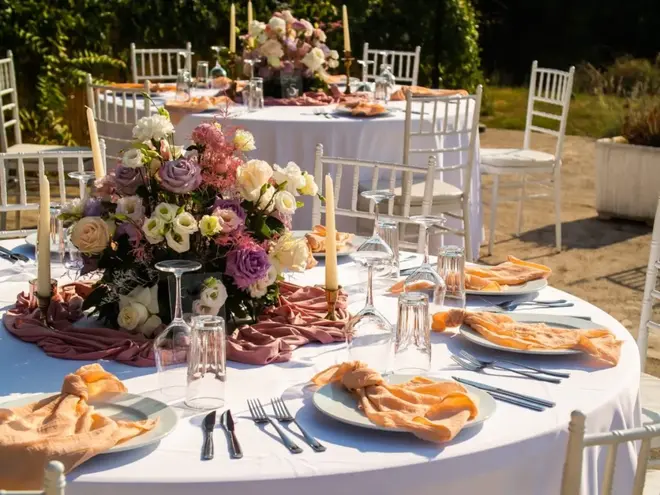
A wedding theme does more than dictate what color napkins you order. It connects every element of your day, from the invitations your guests open to the final song of the night, so the whole event feels intentional rather than thrown together. Choosing a theme is not as hard as it sounds, and it does not require a degree in interior design.
Whether you’re planning a courthouse ceremony or a backyard reception, a clear theme makes every decision easier. Flowers, attire, table settings, music: they all fall into place once you know the overall direction. A wedding theme serves as a visual and emotional framework that guides your choices, reduces decision fatigue, and helps vendors understand exactly what you’re going for.
Let the Season Guide Your Color Palette
One of the simplest ways to land on a wedding theme is to work with the time of year. Seasonal weddings feel natural because the environment already supports the mood you’re creating.
Spring weddings come alive with soft pastels and fresh blooms. Garden-party aesthetics pair well with lavender, blush, and sage green. Potted herbs or packets of wildflower seeds make great guest favors that connect to the seasonal theme without feeling forced.
Summer pairs well with bright, saturated color and relaxed settings. Coastal ceremonies lean into linen textures, driftwood accents, and loose floral arrangements. Inland summer weddings can pull from citrus tones, open-air seating, and string lights at dusk. Consider lightweight fabrics for summer wedding attire to keep your wedding party comfortable.
Fall is tailor-made for warmth. Burgundy, burnt orange, mustard, and deep plum create a rich palette. Rustic details like wooden signs, candlelight, and dried flower arrangements feel right at home from September through November.
Winter weddings work beautifully with evergreen arrangements, metallic accents in gold or silver, and textures like velvet and faux fur. A candlelit ceremony in a historic building creates an atmosphere that guests remember for years. Winter weddings also pair naturally with intimate courthouse settings where the architecture adds warmth and formality.
Use the season as a starting point, not a rigid rulebook. A winter wedding does not need to be a holiday party, and a summer wedding does not have to involve a beach.
Match Your Theme to the Venue
Your venue already has a personality. Working with it, rather than against it, produces a more polished result and usually costs less.
A city hall wedding in San Francisco has built-in grandeur with marble, columns, and dramatic Beaux-Arts architecture. A minimalist theme with clean lines and a tight color palette lets the building do most of the work. All you need is a beautiful bouquet and well-chosen accessories to complete the picture.
Getting married in a barn or vineyard? Lean into rustic textures. Mason jar arrangements, mismatched vintage furniture, and farm-to-table catering reinforce the setting without competing with it.
If your ceremony is at a park or botanical garden, nature becomes both the backdrop and the theme. Green and white floral arrangements, wooden ceremony arches, and simple table settings keep the focus where it belongs.
A theme is a concept that shapes your overall aesthetic (rustic, modern, vintage, garden party). A color scheme is a coordinated set of colors applied across your decor. You can have a color scheme without a named theme, and many couples find that approach simpler to plan and more flexible to execute.
The worst theme decisions happen when couples fight the venue. A tropical luau in a gothic cathedral requires enormous effort and expense, and even then it feels out of place. Save yourself the stress by finding an affordable venue that naturally fits the mood you want, or adapt your theme to suit the space you’ve already booked.
Build Your Theme Around a Color Palette
If you don’t know where to start, start with color. A strong palette can function as your entire wedding theme, and it’s one of the most forgiving approaches because it doesn’t lock you into a specific aesthetic.
Here’s a straightforward process:
- Pick your anchor color. This is the dominant shade that shows up in bridesmaid dresses, table linens, and large decor elements. Choose something you genuinely love, not what’s trending on social media.
- Add two to three supporting colors. These complement the anchor without competing. Navy pairs well with dusty rose and gold. Emerald green works with ivory and brass.
- Assign each color a role. Your anchor is the most visible. Supporting colors appear in flowers, stationery, and smaller accents. A neutral (white, cream, or charcoal) ties everything together.
Pick one anchor color for large elements (bridesmaid dresses, table linens), two supporting colors for flowers and accents, and one neutral to tie everything together. This simple formula works for any venue, season, or budget.
This approach works for any budget. Whether your wedding reception is in a ballroom or a backyard, a coordinated palette makes everything look intentional. It also simplifies shopping: when you know your three colors, you can evaluate any potential purchase in seconds.
For seasonal color pairing ideas, summer wedding colors offers tested combinations that photograph well and feel cohesive.
Draw From Your Story as a Couple
The most memorable weddings feel personal. Your theme doesn’t need to be a “concept” with a name. It can simply reflect who you two are together.
Love cooking? A food-forward wedding with a chef’s table layout, herb centerpieces, and a menu that tells the story of meals you’ve shared together creates something no template can replicate. Your wedding vendors can help you execute details like custom menus and interactive food stations.
Met while traveling? Incorporate subtle nods with vintage postcards as table numbers, a globe guest book, or a cocktail menu inspired by places you’ve visited together. A few thoughtful details tell a better story than a room that looks like a travel agency.
Share a love of literature, music, or art? Pull from it. Song lyrics worked into the ceremony readings, a vinyl record guest book, or table names inspired by your favorite novels all add personality without turning the reception into a costume party.
The trick is restraint. One or two personal touches woven through the event feel intentional. Twelve different references to your shared interests start to feel like a museum exhibit.
Use Trends as Inspiration, Not a Blueprint
Wedding trends move fast. What feels fresh this year may feel dated in five. Trends are a useful starting point when you’re stuck, as long as you adapt them to fit your taste rather than copying them wholesale.
Right now, couples are gravitating toward organic, less structured aesthetics. Loose floral installations instead of tight arrangements. Mismatched wedding flowers in complementary colors instead of rigid bouquets. Earth tones and natural materials instead of metallics and glitter. These trends work because they feel relaxed and personal.
If your wedding is more than a year away, pay attention to the direction trends are moving rather than what’s popular right now. Look at wedding publications, attend local bridal expos, and save photos of real weddings (not styled shoots) that catch your eye. Over time, you’ll notice patterns in what you’re drawn to, and that’s your theme taking shape.
One caution: trend-chasing gets expensive. Custom installations, elaborate backdrops, and bespoke details add up fast. If budget matters (and it usually does), pick one or two trend-inspired elements and keep the rest classic. A statement floral arch at the ceremony paired with simple table arrangements gives you visual impact without the price tag.
When Simplicity Works Best
Not every wedding needs a unique theme. Traditional weddings with neutral palettes, formal place settings, and timeless decor have stayed popular for a reason: they work. They photograph well, they age well, and they make nearly everyone comfortable.
A classic approach also gives you the widest range of options for wedding attire, music, and menu. You’re not trying to match every detail to a concept. Instead, you’re focusing on quality over novelty: beautiful flowers, great food, and a venue that speaks for itself.
If you’re the kind of person who agonizes over decisions, a traditional wedding removes a lot of that pressure. Choose black, white, and one accent color. Select elegant arrangements. Plan a menu you’d be proud to serve at a dinner party. Done.
There’s no rule that says your wedding has to be “unique” to be meaningful. The ceremony is where the meaning lives. Everything else is a party, and a well-executed classic party beats a poorly executed themed one every time.
Putting Your Theme Into Action
Once you’ve landed on a direction, here are practical steps to keep your theme consistent:
- Create a mood board with 15 to 20 images that capture the feeling you want. Share it with every vendor. Visual references prevent miscommunication better than any written description.
- Prioritize the details guests notice most. Flowers, lighting, and table settings make the biggest visual impact. Napkin rings and place card holders? Most guests won’t remember them.
- Set a budget per category before you start shopping. A theme can easily lead to overspending when every pretty thing “fits the vision.” Your wedding budget plan should account for theme-specific spending.
- Give yourself permission to skip things. Not every element needs to match the theme perfectly. A great wedding band or DJ matters more than whether the cocktail napkins coordinate with the ceremony programs.
- Delegate tasks to your wedding party. Assign theme-specific responsibilities like assembling centerpieces or managing decor setup so you’re not doing everything yourself.
Collect 15 to 20 images that capture the feeling you want, not just individual items. Share this board with every vendor before your first meeting. A visual reference prevents more miscommunication than pages of written descriptions.
Your wedding theme should make planning easier, not harder. If you find yourself stressed about whether the escort cards match the exact shade of your table runners, step back. Focus on the choices that will make you and your guests smile, and let the small stuff go.
Frequently Asked Questions
How do I choose a wedding theme when I don’t have a specific style in mind?
Start with color. Pick one shade you love, add two complementary colors, and assign each a role in your decor. A coordinated color palette works as a complete theme on its own and doesn’t require committing to a specific aesthetic like rustic, modern, or bohemian.
Should my wedding theme match my venue?
Yes, working with your venue’s existing personality is the easiest and most cost-effective approach. A rustic barn pairs naturally with farmhouse details, while a city hall ceremony suits minimalist or classic styling. Fighting the venue’s character requires more money and effort and often looks forced.
How many colors should be in a wedding color palette?
Three to four colors work best: one anchor color for major elements like bridesmaid dresses and table linens, two supporting colors for flowers and accents, and one neutral (white, cream, or charcoal) to tie everything together. More than four colors tends to feel scattered.
Is it OK to have a wedding without a specific theme?
Absolutely. Many couples choose a classic, timeless approach with neutral palettes and elegant decor instead of a named theme. Traditional weddings photograph well, age well, and give you more flexibility with vendor choices. The ceremony itself provides the meaning, and a well-planned party doesn’t need a concept to be memorable.
How do I keep my wedding theme consistent without overspending?
Create a mood board with 15 to 20 reference images and share it with every vendor. Set a budget per category before shopping, and prioritize spending on the elements guests notice most: flowers, lighting, and table settings. Skip items that don’t make a visual impact, and give yourself permission to leave small details unmatched.