How to Pick a Wedding Date: 7 Smart Strategies
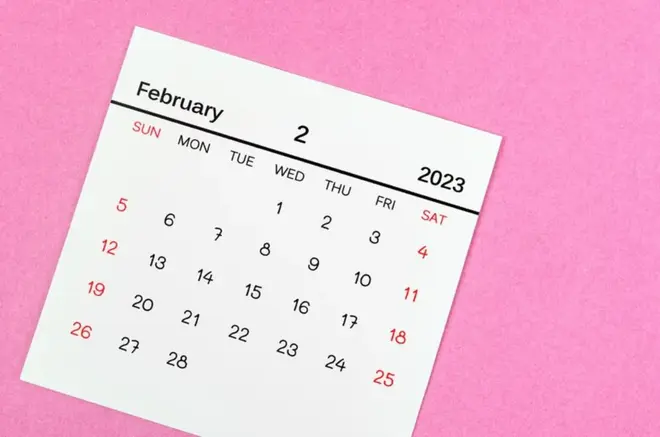
Why Your Wedding Date Affects Everything Else
The date you choose for your wedding determines far more than what shows up on the invitations. It shapes your wedding budget, your venue options, who can attend, and the overall look and feel of the ceremony. A Saturday in June carries a completely different price tag than a Friday in February. The weather, the natural light for photography, the flowers in season, the availability of your closest friends and family: all of these hinge on the calendar.
That makes picking a wedding date one of the first and most consequential decisions you’ll face after getting engaged. Before you start calling venues or booking a wedding photographer, settle on a date (or at least a narrow window) that accounts for logistics, personal meaning, and practical constraints. Many couples who plan a courthouse wedding find that the date question is just as important for smaller ceremonies as it is for large celebrations.
Start With Dates That Mean Something to You
Before opening a spreadsheet of venue availability, talk with your partner about dates that carry personal weight. Maybe it’s the anniversary of your first date, the day you moved in together, or a date that honors a grandparent’s birthday. Some couples choose dates with repeating numbers (like 7/7 or 10/10) simply because they’re easy to remember.
A meaningful wedding anniversary date adds a layer of sentimentality to an already emotional day. It also narrows the field quickly, which can be a relief when you’re staring at 365 options.
One word of caution: a symbolic date might fall on a Tuesday or land during a peak pricing window. Weigh the sentimental value against practical factors before committing. If the date works logistically, that’s a win. If it doesn’t, you can always honor it in other ways, like incorporating it into your vows or engraving it on your wedding bands.
Pick a Season Before You Pick a Day
If no single date jumps out, zoom out and choose a wedding season first. Each time of year brings its own advantages and trade-offs for your ceremony, reception, and guests.
Spring (March through May) is one of the most popular wedding seasons for good reason. Mild temperatures, blooming flowers, and longer daylight hours make for beautiful outdoor ceremonies and photos. The downside: high demand means higher prices and less availability at top venues.
Summer (June through August) works well for outdoor celebrations and destination weddings. Guests with school-age children have more flexibility during summer break. But summer heat can be brutal, especially for ceremonies without air conditioning, and vendor prices tend to stay elevated.
Fall (September through November) offers some of the best value in wedding planning. The changing leaves create stunning backdrops for wedding photography, and prices start to drop after peak season. Just watch out for major sporting events and back-to-school schedules that could affect guest attendance.
Winter (December through February) is the least competitive season, which means better deals on venues, caterers, and florists. A winter wedding has a cozy, intimate quality that pairs well with smaller guest lists. The trade-off is that weather can complicate travel plans for out-of-town guests.
Once you’ve landed on a season, you can narrow down to specific months and weekends. If you’re considering a city hall ceremony, season matters less for venue availability but still affects guest travel and how to plan your wedding timeline.
Ask the People Who Matter Most
Your wedding date doesn’t exist in a vacuum. The people closest to you (parents, siblings, wedding party members, and a handful of must-have guests) all have their own schedules and commitments.
Before locking anything in, reach out to your inner circle with two or three date options. A quick group text or email can surface scheduling conflicts you’d never anticipate: a sibling’s medical residency schedule, a best friend’s already-booked vacation, or a parent’s work obligation.
You won’t be able to accommodate everyone. That’s normal. But making an effort to check with your VIP guest list prevents the frustration of finding out your maid of honor can’t make it three months after you’ve sent save-the-dates. Knowing when to send wedding invitations also depends on having your date firmly set, so don’t delay this step.
Check the Calendar for Conflicts
Wedding dates don’t compete only with personal schedules. They compete with holidays, local events, and national happenings that can drive up venue pricing and eat into hotel availability for your guests.
Here’s what to look for:
- Major holidays. A Memorial Day or Labor Day weekend gives guests a three-day window, which sounds great until you see venue pricing. Hotels and flights spike around holidays too. And some guests have firm family traditions around those dates.
- Sporting events. A championship game or rivalry weekend in your city can make hotel rooms scarce and roads congested for wedding guests.
- Festivals and conventions. Large-scale events can book out hotels for miles. Check your city’s event calendar before committing to a wedding date.
- Other weddings. If someone in your friend group is already planning a wedding for the same month, that’s worth knowing early. Overlapping wedding seasons strain budgets and attendance for your shared social circle.
This step is especially important for destination weddings and city hall ceremonies in popular, affordable wedding locations. A quick search of local event calendars takes ten minutes and can save you real headaches down the line.
Use the Process of Elimination
Sometimes the fastest route to a great wedding date is crossing off the ones that definitely won’t work. Grab a calendar and start marking:
- Dates when key guests are unavailable
- Weekends that fall on or near major holidays you’d rather keep separate from your wedding celebration
- Months that don’t align with your preferred season
- Time periods when your work schedule makes wedding planning impossible
- Dates too close to other family milestones (birthdays, anniversaries) that you don’t want to overshadow
What’s left after the eliminations might surprise you. Instead of 52 possible weekends, you might be down to six or eight, and that’s a much more manageable list to work with.
For couples considering a faster timeline, check out the quickest way to get married in California if you’re open to a streamlined process. You should also think about setting a wedding budget early, since budget and date decisions go hand in hand.
Let Your Budget Guide the Final Decision
Wedding costs vary dramatically based on timing. The same reception venue that charges $15,000 on a Saturday in October might offer that space for $8,000 on a Friday in January. If your wedding budget is tight (and most budgets are), your date choice is one of the most powerful levers you have for managing costs.
A few cost-saving patterns to keep in mind:
- Off-peak months (November through March, excluding holiday weekends) typically run 20 to 40 percent less than peak wedding season.
- Fridays and Sundays cost less than Saturdays at most wedding venues.
- Morning and early afternoon ceremonies can reduce catering costs since brunch or lunch service is cheaper than a dinner reception.
- Shorter engagement periods sometimes mean less time to accumulate add-on expenses, though you’ll need to move quickly on vendor bookings.
Get quotes from your top venue choices across two or three different dates. The price differences might make the decision for you. For a full breakdown of who pays for what in a wedding, that’s another conversation worth having before you sign any contracts.
Match the Date to Your Venue
Your date and your venue are deeply connected. The perfect Saturday in September means nothing if every wedding venue you love is already booked. And a beautiful outdoor space loses its appeal if you’ve picked a month known for rain or extreme heat.
When evaluating venues against your shortlisted dates, ask these questions:
- Is the venue available on your top two or three date options?
- Does the space work for your expected guest count?
- Are nearby hotels affordable and available during that period for out-of-town guests?
- If it’s an outdoor venue, what’s the weather typically like on that date in your region?
- Does the venue offer a rain plan or indoor backup for your ceremony?
Couples drawn to a courthouse ceremony often have more flexibility here, since city hall weddings don’t require the same long-lead booking timelines as traditional venues. That said, popular courthouses in cities like San Francisco and New York still book up weeks or months in advance, so don’t wait too long.
Your Wedding Date Sets the Tone for Everything That Follows
Choosing a wedding date comes down to balancing what matters most to you: personal meaning, guest availability, budget constraints, and venue options. Start with the emotional factors (meaningful dates, preferred season), then pressure-test against the practical ones (conflicts, costs, venue availability).
Most couples find their date after narrowing from a season to a month to a specific weekend, then confirming that the logistics line up. If you get stuck between two strong options, go with the one that gives you and your guests the least amount of stress.
The right date isn’t necessarily the “perfect” date. It’s the one where the people you love can show up, the wedding budget works, and you can focus on what actually matters: marrying your partner and celebrating the start of your married life together.
Frequently Asked Questions
How far in advance should you pick a wedding date?
Most wedding planners recommend setting your date 12 to 18 months before the ceremony. This gives you enough time to book popular venues and vendors. Couples planning a courthouse ceremony or a smaller celebration can often work with a shorter timeline of three to six months.
What is the cheapest month to have a wedding?
January and February are typically the least expensive months for weddings in the United States. Venue rates, catering costs, and vendor fees drop significantly during winter months outside of holiday weekends. March and November also offer lower pricing compared to peak summer months.
Is it better to get married on a Friday or Sunday instead of Saturday?
Friday and Sunday weddings often cost 20 to 40 percent less than Saturday events at the same venue. Friday evening ceremonies work well for local guest lists, while Sunday afternoon weddings give out-of-town guests time to travel the day before. The savings can be significant enough to upgrade other parts of your celebration.
Should you avoid holiday weekends for a wedding?
Holiday weekends offer the benefit of an extra travel day for guests, but they come with higher venue and hotel costs. Guests may also have existing family commitments around holidays like Thanksgiving, the Fourth of July, or Labor Day. The best approach is to weigh the convenience of a long weekend against the potential for higher prices and scheduling conflicts.
How do you pick a wedding date when your families live far apart?
Start by identifying dates when the most important family members on both sides are available. Choose a location that is roughly central or accessible by major airports. Off-peak travel dates (midweek or non-holiday periods) help keep flight and hotel costs manageable for traveling guests.