Wedding First Dance Ideas That Go Beyond the Slow Sway
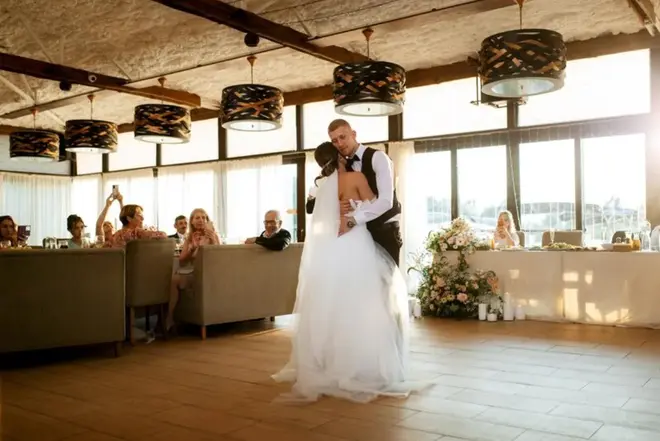
The first dance is one of the most beloved American wedding traditions, and for good reason. It’s a moment where everything else fades away and the two of you get the floor to yourselves. Most first dances look exactly the same, though. A slow song plays, the couple shuffles in a circle, and three minutes later it’s over.
Your first dance can be so much more than that. With a little planning, you can turn it into a reception highlight that guests talk about for years. Here are ten ideas to help you create a first dance that actually feels like yours.
Set the Mood with a Spotlight on the Dance Floor
Lighting changes everything. When you step onto the dance floor and a single spotlight locks onto you, the room transforms. The moment feels cinematic rather than routine.
A spotlight is one of the simplest upgrades you can make, and it costs very little. Most wedding DJs and venue lighting technicians can set one up with minimal notice. You can keep it classic with warm white light, or try something different. A soft amber glow creates warmth and romance. A cool blue sets a more dramatic, intimate tone that pairs well with slower ballads.
If your venue already has adjustable lighting, ask the coordinator whether they can dim everything else during your first dance. The contrast between a dark room and a single lit couple is striking. Your wedding photographer will get better shots too, since the focused light eliminates distracting background elements.
Dance on a Cloud with a Low-Fog Machine
Low-lying fog machines fill the dance floor with a thin layer of dry ice mist that sits below your knees, making it look like you’re floating on clouds. The visual effect is stunning in both photos and video, which is why this option keeps growing in popularity at wedding receptions.
Low-fog machines work differently from standard fog machines. Standard units push smoke upward and fill the room with haze. Low-fog machines use dry ice or specialized glycol-based fluid to produce heavy mist that stays close to the ground. Many wedding DJs and event production companies rent these specifically for first dances. Check with your venue about smoke detector restrictions before booking one.
The fog typically lasts three to five minutes, which lines up perfectly with a single song. It appears, you dance, and it dissipates. Clean, memorable, and surprisingly affordable for the visual impact it delivers.
Add a Lighthearted Touch with a Bubble Machine
Bubbles bring a playful, joyful quality to your first dance without requiring much setup. You can position a bubble machine near the dance floor, or hand out small bubble wands to your guests so they participate in the moment.
Guest participation is the bigger win here. Instead of everyone standing around watching (which can feel awkward for both you and them), blowing bubbles gives people something to do. It loosens the room up and creates an atmosphere that feels celebratory rather than performative.
Bubbles photograph beautifully too. When light catches soap bubbles, they create tiny floating reflections across the frame, adding texture and depth to your wedding photos. For couples managing a tight wedding budget, bubble machines are one of the most affordable first dance upgrades available, typically costing under $30 for a rental unit.
Shower the Dance Floor with Confetti
A confetti drop on the first beat of your song, or on the final note, adds instant energy. It’s celebratory, visual, and tells the room that the party has officially started.
The type of confetti you choose sets the tone:
- Metallic or glitter confetti catches venue lighting and works well with upbeat songs. If your first dance has energy, this is a natural match.
- White paper ribbon confetti keeps things elegant and understated. It pairs well with slower, romantic songs and won’t clash with any reception decor.
- Colored tissue paper confetti adds a playful, casual feel. You can match it to your wedding theme colors for a cohesive look.
One practical note: talk to your venue coordinator about cleanup before committing to confetti. Some venues include cleanup in their rental fee. Others charge extra, or prohibit certain types (glitter confetti is often banned because it’s nearly impossible to fully remove). Biodegradable confetti is a safer choice for outdoor celebrations.
Light Up the Room with Cold Spark Machines
Cold spark machines create a fountain of sparks that transforms your dance floor without the safety concerns of traditional fireworks. Unlike pyrotechnics, cold spark machines produce sparks without heat, smoke, or ash, making them safe for indoor reception venues.
If your venue doesn’t allow spark machines, handheld sparklers for guests are another option. Guests line up to form a sparkling corridor, and you dance through or between them. This works particularly well as an entrance onto the dance floor before your first song starts.
Safety matters with any spark effect. If you’re using handheld sparklers, provide clear instructions and have a bucket of sand or water nearby for disposal. Keep sparklers away from flowy fabrics like tulle veils and long trains, and designate a responsible person to supervise if children are attending your wedding.
Bring in Live Musicians for Your First Dance
The difference between recorded music and a live performance is hard to overstate. When a singer or musician performs your first dance song right there in the room, the emotional impact multiplies. Every note feels intentional, and the energy shifts in a way that speakers can’t replicate.
You don’t need a full wedding band to pull this off. A solo vocalist with an acoustic guitar, a string quartet, or a pianist can deliver a beautiful first dance performance. Some couples hire a musician just for the first dance and switch to a DJ for the rest of the night, which keeps costs manageable.
For an extra personal touch, have your song arranged in a different style. A slow acoustic version of an upbeat song you both love, or a jazz rendition of a pop classic, makes the performance uniquely yours. Asking a talented friend or family member to perform adds another layer of meaning, turning the first dance into a shared moment between people who matter to you.
Create Energy with a Balloon Drop
A balloon drop brings color, movement, and celebration to your first dance. You can release balloons from the ceiling on the final note of your song for a dramatic finish, or scatter them across the dance floor beforehand so you’re dancing among them.
Balloon nets are the most common setup method. A net filled with inflated balloons hangs above the dance floor, and a designated person releases it at the right moment. Your DJ or venue coordinator can usually handle the timing so it syncs with the music.
A few things to keep in mind: latex balloons are more eco-friendly than mylar alternatives, and releasing balloons into the sky is illegal in many states (and harmful to wildlife). Keep the balloons indoors during your reception, and plan for someone to pop and bag them during cleanup.
Invite Your Guests to Join the Dance Floor
One of the most common courthouse wedding planning mistakes is forgetting that your guests want to be part of the celebration, not just spectators. Your first dance doesn’t have to be a solo performance the entire time.
Start the dance with just the two of you for the first verse or chorus. Then have the DJ invite the wedding party to join, followed by all couples, and finally everyone. Within a minute, the entire dance floor fills up and the energy in the room shifts completely.
This gradual-join approach takes the pressure off couples who feel self-conscious about dancing alone in front of a crowd. It also gets the party started naturally. By the time your first dance song ends, people are already on the floor and ready for the next one, which saves your DJ from the dreaded “empty dance floor” problem that plagues many receptions.
Learn a Choreographed First Dance Routine
A choreographed first dance requires real preparation, but the payoff is worth every rehearsal hour. When a couple breaks into a routine that clearly took practice, the room lights up. Guests cheer, phones come out, and the moment becomes a genuine event within the reception.
You don’t need dance experience to pull this off. Wedding dance instructors specialize in teaching non-dancers a three-minute routine that looks polished without requiring years of training. Most couples need six to ten private lessons spread over two to three months.
A few choreography approaches work well:
- Classic and elegant: A waltz or foxtrot that looks refined and romantic. This works for couples who want something beautiful but not showy.
- Surprise mashup: Start with a slow, traditional dance, then cut to an upbeat song and break into a completely different style. The contrast gets a huge crowd reaction.
- Full choreography: Pick one song and build a complete routine around it. This is the most work, but also the most impressive when executed.
The secret to a good choreographed first dance is confidence, not perfection. A few missed steps won’t matter if you’re clearly having fun with each other.
Take Your First Dance Outside Under the Open Sky
If your venue has outdoor space, or if you’re already celebrating outside, dancing under the open sky adds a dimension that no indoor dance floor can match. A sunset backdrop, string lights overhead, or a clear night full of stars turns your first dance into something cinematic.
Outdoor first dances work especially well at affordable venues with patios, gardens, rooftops, or waterfront views. Set up a small designated area with portable speakers and dance right there, surrounded by natural scenery.
Timing matters for outdoor dances. Golden hour, the last hour before sunset, gives you the warmest and most flattering natural light for photos. If you’re dancing after dark, string lights or hanging lanterns create a romantic atmosphere without the harsh glare of standard venue lighting.
Keep in mind that outdoor surfaces can be uneven. If you’re dancing on grass, the follower in the pair may want to skip stiletto heels. Flat shoes or block heels will save your ankles and let you actually enjoy the dance without worrying about sinking into the lawn.
Choosing the First Dance Style That Fits Your Wedding
The best first dances have one thing in common: they match the couple. A choreographed routine is perfect for the pair that loves performing. A quiet spotlight dance fits the couple that values intimacy over spectacle. And some couples skip the first dance entirely, which is a perfectly valid choice.
As you plan your wedding reception, consider these practical questions:
- What does your venue allow? Talk to the coordinator about fog machines, sparklers, confetti, and balloon drops. All need advance approval, and some may require additional liability insurance.
- What’s your comfort level? If the idea of dancing alone in front of everyone makes you nervous, the gradual guest-join approach takes the edge off while still giving you a special moment.
- What’s your budget? Some of these ideas (bubbles, balloons) cost almost nothing. Others (live musicians, choreography lessons) require a meaningful investment. Factor first dance costs into your overall wedding budget.
Your first dance is one moment in a day full of moments. Make it memorable, but don’t let the pressure of perfection steal the joy. The people in that room love you. They’re going to cheer no matter what.
Frequently Asked Questions About Wedding First Dances
How long should a wedding first dance be?
Most wedding first dances last between two and three minutes. This is the length of one song or a trimmed version of a longer track. Anything over four minutes tends to lose guest attention, so work with your DJ to edit the song to a comfortable length. Choreographed dances often run closer to three minutes since the routine needs time to build.
Do you have to have a first dance at your wedding?
No. The first dance is a tradition, not a requirement. Many couples skip it because they feel uncomfortable dancing in front of a crowd, and that’s a completely valid choice. If you want a compromise, consider the gradual guest-join approach where you dance alone for 30 seconds before inviting everyone onto the floor.
How much does a wedding dance choreographer cost?
Wedding dance lessons typically cost $75 to $150 per session, and most couples book six to ten sessions over two to three months. Total cost ranges from $450 to $1,500 depending on your location, the instructor’s experience, and how complex you want the routine to be. Group classes are a more affordable option if private lessons stretch your budget.
Can you use a fog machine at an indoor wedding venue?
Many indoor wedding venues allow low-fog machines, but you need to confirm with the venue coordinator before booking one. Some venues have sensitive smoke detectors that can be triggered by fog effects. Low-fog machines that use dry ice are generally safer for indoor use than glycol-based machines, since the mist stays close to the ground and dissipates quickly.
What is the best time of day for an outdoor first dance?
Golden hour, the last hour before sunset, gives you the warmest and most flattering natural light for an outdoor first dance. This soft lighting photographs beautifully and creates a romantic atmosphere without any additional setup. If your reception timeline pushes the first dance after dark, string lights or hanging lanterns can recreate a similar warm glow.