Wedding Ceremony Mistakes Every Couple Should Avoid
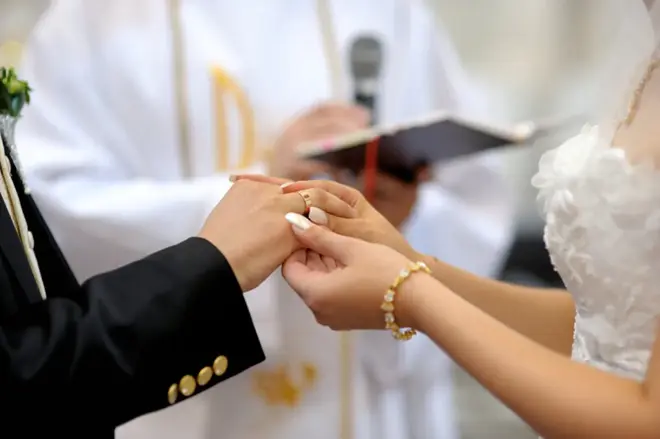
Your wedding ceremony is the part of the day that carries legal and emotional weight. The reception is the party, but the ceremony is the promise. Most couples pour 90% of their planning energy into tablescapes, playlists, and catering while leaving the ceremony as an afterthought.
That imbalance creates openings for preventable problems. Some are embarrassing, some are awkward, and a few can genuinely undermine the moment you’ve spent months building toward. Nearly all of them are avoidable with a little forethought and rehearsal preparation.
Skipping a Full Rehearsal in Your Wedding Attire
You’ve picked the dress, the suit, the shoes, the veil. But have you actually moved around in them? Most couples try on their wedding attire in a controlled fitting room, then wear it in a completely different environment on the ceremony day.
High heels on marble courthouse floors are notoriously slippery. A cathedral-length veil behaves very differently outdoors with a breeze than it does in a bridal shop. Shoes that felt comfortable for ten minutes during a fitting can become painful after an hour of standing at the altar.
Bring your shoes and any headpieces to the rehearsal. Walk the actual aisle in them. If the floor is slick, scuff up your soles with sandpaper or add grip pads. If your veil won’t stay put, work with your stylist to add extra pins or a comb anchor. These small adjustments take minutes during a rehearsal and prevent genuine panic on the wedding morning.
For outdoor ceremonies specifically, test everything in conditions similar to what you’ll face. Wind, uneven ground, and soft grass all interact with formal wedding clothing in ways you won’t predict sitting in your living room.
Memorizing Personal Vows Instead of Bringing Written Copies
Writing personal vows is one of the most meaningful parts of your wedding ceremony. Memorizing them and then blanking in front of everyone is one of the most stressful.
Stage fright hits differently at a wedding. You’re standing in front of the people who matter most to you, emotions are running high, and your brain may simply refuse to cooperate. Even professional speakers use notes. There’s nothing less romantic about reading from a card. Your guests won’t judge you for it.
Write your vows on a quality card or in a small keepsake book, and bring it with you. If you need guidance on vow length and structure, aim for one to two minutes of speaking time, roughly 150 to 250 words. That length lets you say something real without losing the room.
Make good eye contact between glances at your notes. Speak slowly. Breathe. The written version also becomes a keepsake you can revisit on anniversaries, a better outcome than trying to reconstruct half-remembered words years later.
Quick Tip: Vow Length Sweet Spot
Aim for 150 to 250 words per person. That gives you one to two minutes of speaking time, long enough to be meaningful, short enough to hold the room's attention. Write them on a nice card and bring it with you.
Talking Through the First Dance Instead of Being Present
Your first dance is one of the most photographed moments of the entire wedding. Every camera in the room points at you, and your photographer is working to capture something frame-worthy.
Couples who spend the entire dance talking, even quietly, tend to produce photos where both people look distracted. Mouths open mid-sentence, eyes darting, bodies slightly disconnected from the music. A couple who is simply present with each other produces the opposite: eyes locked, smiling, swaying together.
Save the commentary for later. You’ll have plenty of time to talk during the reception. During the first dance, focus on the physical moment. Smile. Make eye contact. Let the music carry you instead of filling the silence with nervous chatter.
If you’re worried about three minutes of silence feeling awkward, practice the dance at home a few times beforehand. Familiarity with the song and the movement makes it much easier to relax and enjoy the moment rather than filling it with words.
Having No Protocol for a Dropped Ring
Wedding rings get dropped at ceremonies more often than anyone admits. A nervous best man, sweaty palms, a band that’s slightly too loose: it happens regularly. The problem isn’t the drop itself. It’s the aftermath when everyone scrambles at once.
When a ring hits the floor, the instinct is for everyone nearby to move. Multiple people shifting on a hard floor can send a small ring skidding further away, or kick it under furniture. On grass or sand, sudden movement can push a ring deeper into the ground.
Designate one person (typically the best man or maid of honor) as the official ring retriever before the ceremony begins. Brief them clearly: if the ring drops, everyone else stays still, and that one person calmly picks it up. This keeps the moment lighthearted instead of chaotic.
For outdoor ceremonies on grass, sand, or gravel, keep the rings in a small pouch or box until the exact moment they’re needed rather than balancing them on a pillow for twenty minutes.
Outdoor Ceremony Checklist
- Scuff shoe soles with sandpaper or add grip pads
- Secure veils and headpieces with extra pins
- Keep rings in a pouch until the exchange moment
- Assign one person as the ring retriever
- Test your full outfit in wind and on grass
Breaking Eye Contact During the Vow Exchange
Cameras are everywhere during a wedding ceremony. Your mom is crying in the front row. Your college roommate is holding up a phone. There are a dozen reasons to let your eyes wander during the most important words of the day, and every one of them shows up in your ceremony photos.
The couples who produce the most striking ceremony photos are the ones who look at each other. Not at the officiant, not at the crowd, not at the camera. At each other.
This applies to the ring exchange too. Slow down. Place the ring deliberately instead of rushing through it. Hold your partner’s hand, look them in the eye, and take a full breath before sliding the ring on. That moment only happens once.
If maintaining eye contact feels intense (and it will), practice during the rehearsal. Even thirty seconds of sustained eye contact while someone reads sample text can help you build comfort before the actual ceremony.
Letting the Officiant Turn the Ceremony Into a Lecture
Your wedding officiant’s job is to set the tone, not deliver a lecture on the institution of marriage. Long, sermon-style ceremonies lose the room fast. Guests start checking their phones, children get restless, and even the couple starts to glaze over.
The strongest ceremony speeches are short, personal, and specific. A brief story about how the couple met, a meaningful quote, a moment of humor: these land far better than abstract reflections on the nature of love and commitment.
Talk to your officiant in advance about timing. A wedding ceremony between 20 and 30 minutes hits the sweet spot for most guests. If your officiant tends to go long, give them a gentle time limit and review their remarks beforehand. Being direct during the planning process saves everyone from an uncomfortable experience on the day.
If you’re having a courthouse wedding, this is typically handled for you since judges and justices of the peace keep things brief. For religious or personalized ceremonies, proactive communication with your officiant matters.
Ceremony Timing Guide
Courthouse ceremony: 10 to 15 minutes. Traditional or personalized ceremony: 20 to 30 minutes. Anything over 30 minutes starts losing guest attention. Review your officiant's remarks in advance and set a clear time expectation.
Fixating on Details Only You Notice
The ceremony started seven minutes late. A groomsman’s boutonniere is slightly crooked. The flower girl threw all the petals in one spot. The reading your aunt prepared has a small stumble in the middle.
None of your guests noticed. Or if they did, they forgot about it within seconds.
Couples who fixate on small imperfections during the ceremony rob themselves of the emotional experience they spent months planning. Your face tells the story in every ceremony photo, and a visibly stressed couple produces visibly stressed photos, regardless of how beautiful everything else looks.
Delegate the logistics to your wedding coordinator or a trusted member of the bridal party. Your only job during the ceremony is to be present and happy. Everything else is someone else’s responsibility for those twenty to thirty minutes.
If something does go wrong, laugh about it. The couples who handle mishaps with humor create better memories and better stories than the ones who handled everything flawlessly but spent the whole time worrying.
Making the Ceremony About Logistics Instead of the Moment
This is the mistake that contains all the others. After months of planning, budgeting, coordinating, and stressing, many couples arrive at their ceremony and spend the whole time running a mental checklist instead of experiencing it.
Did the flowers arrive? Is the reception set up? Will the caterer be ready on time? These questions don’t belong in your head while you’re standing at the altar.
Before the ceremony starts, take one minute alone or with your partner. Breathe. Remind yourself that everything that can be planned has been planned, and the rest will sort itself out. Then walk into your ceremony with the intention of actually living it.
Trust the people you’ve put in charge. Set your budget and your plans early enough that the ceremony day is about the experience, not the execution. Your guests took time out of their lives to watch you make a promise to another person. Be fully present when you make it.
Frequently Asked Questions
How long should a wedding ceremony last?
Most wedding ceremonies should last between 20 and 30 minutes. This gives your officiant enough time to set the tone, allows space for personal vows and the ring exchange, and keeps guests engaged throughout. Courthouse ceremonies with a judge or justice of the peace often run 10 to 15 minutes.
Should I memorize my wedding vows or read them?
Bring a written copy. Stage fright at weddings is common even for people who are comfortable speaking publicly. Write your vows on a nice card or small book, make eye contact between glances, and speak slowly. The written copy also becomes a keepsake you can revisit on anniversaries.
What should I do if someone drops the wedding ring during the ceremony?
Assign one person (usually the best man or maid of honor) as the designated ring retriever before the ceremony. If the ring falls, everyone else stays still while that person calmly picks it up. For outdoor ceremonies, keep rings in a pouch until the exact moment of the exchange to avoid drops.
How do I keep my officiant from talking too long?
Have a direct conversation about timing well before the wedding day. Share a time limit of 20 to 30 minutes and ask to review their prepared remarks in advance. A short, personal ceremony with a specific story or meaningful quote always lands better than a long, abstract speech about love and commitment.
How can I stay calm during the wedding ceremony?
Take one quiet minute before the ceremony starts to breathe and reset. Remind yourself that all the planning is done and your only job for the next 20 to 30 minutes is to be present. Delegate all logistics to your wedding coordinator or a trusted bridal party member so nothing pulls your attention from the moment.