6 Benefits of Wedding Videography Worth Knowing
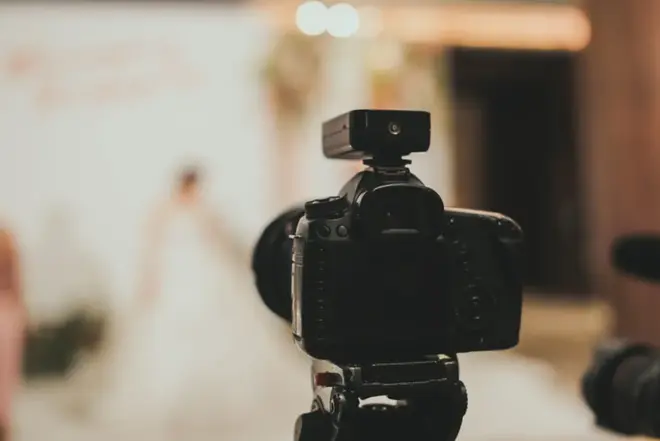
Your wedding photographer will freeze the big moments into beautiful still images. But photos are silent. They can’t capture the tremor in your partner’s voice as they read their vows, or the laughter that erupted when the ring bearer tripped on his shoelace. A wedding videographer fills in what photos leave out: motion, sound, timing, and the full emotional texture of your day.
If you’re weighing whether videography fits your wedding budget, here are six reasons couples consistently say it was one of their best decisions.
Videos Capture Emotions That Photos Can’t
A photograph catches a single frozen frame. A video catches what happens between the frames: the slow smile spreading across your partner’s face, the way your dad’s voice cracked during his toast, or the flower girl spinning in circles until she got dizzy and sat down in the aisle.
Emotions are movements. They build, peak, and release over time. That’s exactly what video is built to record. When you watch your ceremony footage back, you won’t just see that your mom cried. You’ll hear the little breath she took before the tears started, and you’ll feel the weight of the moment all over again.
Some couples hire two videographers to cover different angles simultaneously. One cinematographer stays near the officiant to capture your faces during the vow exchange, while the other moves through the crowd to record candid reactions from your family and wedding party. The result is a complete emotional picture of the room, not just the two people at the front.
If your budget allows, ask your videographer about dual-camera coverage. One camera on the couple and one on the guests means you'll capture both your vow exchange and your family's real-time reactions, giving you the full emotional picture of the ceremony.
Your Venue Gets the Spotlight It Deserves
Whether you chose a courthouse ceremony in a historic building or a beachfront celebration, the wedding venue is a character in your story. Video captures what makes your location feel like your location: the echo of footsteps in a marble corridor, sunlight pouring through stained glass windows, waves rolling behind you during your vows.
A skilled wedding videographer knows how to film the details that set the scene. They’ll grab establishing shots of the building exterior before guests arrive, the way your floral arrangements and decorations look in natural light, and the ambient sounds that made the space feel alive. Months later, when you press play, you won’t just remember what the room looked like. You’ll remember how it felt to stand in it.
If you’re planning a city hall wedding, this matters even more. Municipal buildings often have stunning architecture that doesn’t photograph the way it looks in person. Soaring ceilings, ornate railings, rotundas, and grand staircases come alive on video in a way that flat images can struggle to convey.
You’ll See the Moments You Missed
Your wedding day moves fast. While you’re getting ready in one room, your guests are mingling in another. While you’re posing for portraits with your wedding photographer, your college friends are giving impromptu speeches at the cocktail hour. You physically cannot be everywhere at once, and that’s where video fills the gaps.
A videographer captures what happens when you’re not looking: the best man nervously rehearsing his toast in the hallway, your grandmother tearing up as she watches you walk in, or two of your friends meeting for the first time and immediately hitting it off. These are the moments that make a wedding feel like more than a ceremony. They’re the human details that round out the story of your wedding day.
After the celebration is over, sitting down with your wedding film is like experiencing the entire event for the first time. You’ll catch guest reactions you didn’t notice, conversations you weren’t part of, and little interactions that happened in the background while you were focused on something else entirely.
Your Personalities Come Through on Camera
Photos capture how you looked. Video captures who you are.
The way you laugh, the inside jokes woven into your personalized vows, the face you made when the DJ played your guilty-pleasure song: these personality details only exist in motion. They’re the things that make your wedding uniquely yours, and they disappear the moment they happen unless a cinematographer is recording.
Video also gives you room for creative editing and personalization after the fact. Your videographer can pair the footage with a meaningful soundtrack, add name graphics for the wedding party introductions, or cut together a cinematic highlight reel set to your first dance song. The raw footage becomes a wedding film that reflects your relationship, not just your event.
When discussing your creative vision with a videographer during the booking process, let them know about any specific moments or personality touches you want emphasized. Maybe you and your partner have a signature handshake, or maybe your family has a cultural tradition that always gets a laugh. These are the details that transform a standard wedding video into something you’ll actually want to rewatch on every anniversary.
Sharing Your Wedding Video Is Easier Than You Think
One common hesitation about wedding videography is the concern that video files are difficult to share or store. That used to be true in the days of VHS tapes and DVDs. Couples had to burn discs or copy files onto thumb drives and mail them to relatives. That era is long gone.
Today, sharing a wedding video takes about thirty seconds. Your videographer will typically deliver your finished files through a digital download link or a private online gallery. From there you can send it to anyone with an email address or phone number. Most wedding videography professionals deliver the final product in standard MP4 format that plays on any device without special software.
This matters especially for family members who couldn’t attend the ceremony. A grandmother across the country, a friend stationed overseas, or a cousin who just had a baby can all watch your wedding ceremony as if they were there. For couples whose guest lists are limited by courthouse capacity or scheduling, video bridges the gap between the people who were in the room and the people who wished they could have been.
Ask your videographer about delivery formats and turnaround time before the wedding. Some provide both a full-length documentary edit and a shorter highlight reel, which is perfect for sharing on social media or texting to friends who want the quick version.
Many courthouses and city halls have rules about tripods, lighting equipment, and where videographers can stand during ceremonies. Ask your venue coordinator about these restrictions before your videographer arrives so they can plan their setup in advance.
Remote Guests Can Watch in Real Time
Not everyone who cares about your marriage can be in the room when it happens. Distance, health, work schedules, and travel costs keep people away. A videographer can set up a live stream so that distant loved ones watch your ceremony as it unfolds, not days or weeks later.
Live streaming a wedding used to require expensive production equipment and a broadcast crew. Now most wedding videographers can do it with a single camera, a stable internet connection, and a private streaming link. Your guests log in from wherever they are, watch the ceremony in real time, and many streaming platforms even let them post comments or reactions as the vows happen.
For couples planning intimate ceremonies with small guest lists, live streaming is particularly valuable. You get the closeness and simplicity of a small wedding without shutting anyone out. The people who matter most can still be part of the moment, even if they’re watching from a different time zone.
If live streaming interests you, confirm that your venue has reliable Wi-Fi or that your videographer carries a mobile hotspot as backup. A dropped stream during the vows is the one technical glitch nobody wants.
Not ready for full-day coverage? Many videographers offer ceremony-only packages that cover just the vows and the moments around them. This is a popular choice for courthouse weddings where the ceremony itself is the main event.
Making Your Decision
Wedding videography is one of those expenses that couples rarely regret. Photos will always be important, but they tell a partial story. Video fills in the rest: the sounds, the movement, the timing, and the emotion that only exists in the space between still frames.
If you’re budgeting for a city hall wedding, videography doesn’t have to be an all-or-nothing decision. Some videographers offer ceremony-only packages at a lower price point, covering just the vow exchange and the moments immediately surrounding them. Others offer full-day coverage that extends through the reception and into the evening.
Start by talking to your wedding vendors or venue coordinator about videography options. Many city hall buildings have specific rules about where videographers can position their equipment, so it helps to know the restrictions early. If you’re handling planning on your own, look for videographers who have experience filming in municipal or government buildings, since the lighting conditions and space constraints are different from traditional wedding venues.
Your wedding day goes by faster than you expect. Having a wedding video means you get to slow it back down and live it again, as many times as you want.
Frequently Asked Questions About Wedding Videography
Is wedding videography worth the cost?
Most couples who hire a wedding videographer say it was one of their best investments. Photos capture how the day looked, but only video preserves the sounds, voices, and movement that bring your memories back to life. Ceremony-only packages are available at lower price points if full-day coverage doesn’t fit your budget.
How much does a wedding videographer cost on average?
Wedding videography typically ranges from $1,500 to $4,000 for most couples, though prices vary widely by location, hours of coverage, and editing style. Ceremony-only packages at a courthouse or city hall can cost significantly less than full-day packages that include reception coverage and a cinematic highlight reel.
What is the difference between a wedding videographer and a cinematographer?
A traditional wedding videographer records the day’s events in a documentary style, capturing moments as they happen. A wedding cinematographer takes a more cinematic approach, using techniques like drone footage, color grading, and narrative editing to produce a short film. Many modern videographers blend both styles depending on the package you choose.
Can you live stream a city hall wedding?
Yes. Most wedding videographers can set up a live stream using a single camera, a stable internet connection, and a private link you share with remote guests. Check with your city hall or courthouse about Wi-Fi availability, and ask your videographer to bring a mobile hotspot as a backup in case the building’s connection is unreliable.
When should you book a wedding videographer?
Book your wedding videographer six to twelve months before your date, especially if you’re getting married during peak wedding season (May through October). Popular videographers fill their calendars quickly. For courthouse weddings on weekday appointments, you may have more flexibility with shorter lead times.