10 Most Popular Wedding Flowers for a Bridal Bouquet
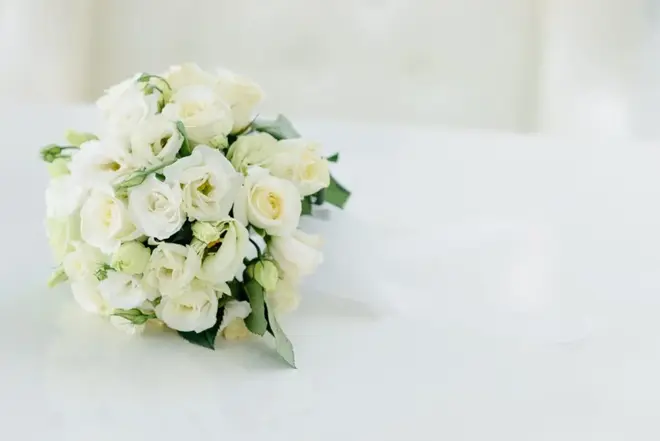
Your bouquet sets the tone for the entire ceremony. It’s one of the first things guests notice, it shows up in nearly every photo, and it’s the one piece of wedding decor you carry with you throughout the day. Picking the right flowers affects everything from your color palette to your overall wedding budget.
Florists will ask about colors, textures, seasonality, and composition before you’ve had time to think it through. Starting with the most popular wedding flowers gives you a solid foundation. From there, you can mix, match, and customize until the arrangement feels like yours.
Here are ten flowers that work beautifully in a bridal bouquet, along with what makes each one worth considering.
Roses: The Classic That Earns Its Reputation
Roses are the most widely used wedding flower in the United States. They’re available year-round from domestic and international growers, they come in virtually every color, and they pair well with almost any other bloom.
What most people don’t realize is that “roses” covers a huge range of options. Standard roses have that tight, sculptured shape you’ve seen in every flower shop. Garden roses (varieties like Juliet, Patience, and Keira) are fuller, looser, and packed with petals, giving them a softer, more romantic look. Garden varieties also carry a stronger fragrance, which makes them a favorite for bouquets and centerpieces alike.
Quick color guide for rose bouquets: Ivory and blush suit classic ceremonies, deep burgundy works for fall and winter themes, coral and peach pair well with outdoor summer weddings, and dusty mauve fits modern, muted palettes.
If you’re planning a courthouse ceremony and want something that photographs well in a smaller space, a compact garden rose bouquet in soft tones is hard to beat.
Peonies: Worth the Splurge
Peonies have earned their spot as one of the most requested wedding flowers. The ruffled petals, the soft romantic colors, and the lush volume they bring to an arrangement make them a standout. A bouquet built around peonies looks expensive because it usually is.
The catch: peonies only bloom naturally from late April through June in North America. Outside that window, they need to be sourced from specialty growers in countries like Chile, New Zealand, or the Netherlands, which drives prices up significantly. A single peony stem can cost $5 to $15 during off-season months compared to $3 to $7 in peak season.
If your budget is tight, consider using peonies as the focal point of your bouquet and filling out the rest with more affordable blooms like ranunculuses or garden roses. You’ll still get the visual impact without the full price tag.
Anemones: Bold Contrast in a Delicate Package
Anemones are the flower for couples who want something a little unexpected. The most popular variety (Anemone coronaria) features white petals surrounding a jet-black center, creating a graphic, modern look that stands out in photos.
That high-contrast combination makes anemones a natural fit for black-and-white wedding themes, but they also come in deep purple, cherry red, bright blue, and burgundy. They bloom from late winter through early summer and are sensitive to heat, so they work best for fall, winter, and spring celebrations. If you’re choosing a civil wedding dress with clean lines and modern details, anemones complement that aesthetic perfectly.
One thing to keep in mind: anemone blooms are phototropic, meaning they turn toward light sources. Your florist can manage this, but it’s worth mentioning if your ceremony space has strong directional lighting.
Dahlias: The Autumn Showstopper
Dahlias are a favorite for fall weddings, and the variety is staggering. The American Dahlia Society recognizes more than 50,000 cultivars across multiple bloom forms, from tiny pompon types to massive dinner plate varieties that can reach 12 inches across. Colors range from warm oranges and deep reds to soft pinks, lavender, and creamy whites.
That size range gives you real flexibility when building a bouquet. Use a few oversized dinner plate dahlias (like Cafe au Lait or Peaches N Cream) as focal points, then surround them with smaller pompon dahlias and greenery for contrast and texture. The layered look creates visual depth that’s hard to achieve with a single flower type.
Dahlias peak in late summer and fall, making them the ideal seasonal choice for September through November weddings. They hold up well throughout the day, which matters when you’re carrying your bouquet from ceremony to photos to reception.
Lilacs: Understated Romance
Lilacs don’t demand attention the way roses or peonies do. Instead, they offer something subtler: a delicate cascade of small flowers in soft purple, white, or pale pink, paired with one of the sweetest fragrances you’ll find in any wedding bloom. Syringa vulgaris (common lilac) is the species most often used in floral arrangements.
Their drapey, loose structure makes lilacs especially beautiful in hand-tied bouquets with a natural, just-picked feel. They also work as table accents or as part of a larger mixed arrangement. If you want your guests to remember the way your wedding celebrations smelled, lilacs are the way to go.
Timing matters with lilacs. They bloom for only about three weeks in May, and they wilt faster than hardier options. Work with your florist to keep them cool and hydrated on the day of the ceremony, and avoid leaving bouquets in direct sunlight or warm cars.
Ranunculuses: The Budget-Friendly Peony Alternative
If you love the look of peonies but not the price, ranunculuses (Ranunculus asiaticus) deliver a remarkably similar aesthetic. They have the same tightly layered petals and rounded shape, but they’re generally more affordable and available for a longer season, from late winter through spring.
Despite their delicate appearance, ranunculuses are surprisingly tough. They handle being transported, arranged, and carried around without falling apart, which makes them a practical choice for bouquets, boutonnieres, and centerpieces. Each stem typically lasts five to seven days after cutting, giving you flexibility with timing.
The color range is impressive: soft pastels, bright corals, deep burgundy, sunny yellow, and crisp white. If you have a specific wedding theme and color palette in mind, there’s almost certainly a ranunculus variety that fits.
Sweet Peas: Fragrance That Fills a Room
Sweet peas (Lathyrus odoratus) bring two things to a bouquet that are hard to find together: a light, fluttery visual texture and a gorgeous fragrance. The petals look almost like butterfly wings, giving arrangements an airy, romantic quality.
A simple bouquet of sweet peas tied with a silk ribbon can be stunning on its own, especially for an intimate ceremony. They also work beautifully mixed with roses or ranunculuses for a garden-inspired look. Single stems in small glass vases make elegant reception table accents that don’t overwhelm the space.
Sweet peas bloom primarily in spring and early summer. They prefer cooler temperatures (ideally below 75 degrees Fahrenheit), so plan accordingly if your ceremony is outdoors in warm weather. Hot conditions cause them to wilt quickly and lose their fragrance.
Hydrangeas: Big Volume, Big Impact
Hydrangeas are the workhorse of wedding florals. A single stem of Hydrangea macrophylla produces a massive, cloud-like cluster of blooms, which means you need fewer stems to fill out a bouquet or centerpiece. That volume-to-cost ratio makes them a smart pick for couples who want a lush look without an enormous flower budget.
Classic varieties come in white, blue, pink, and purple. The color changes based on aluminum ions in the soil where they’re grown: acidic soil produces blue flowers, while alkaline soil produces pink. This means you can sometimes find interesting in-between shades that add character to an arrangement.
Hydrangeas pair well with roses, orchids, and fresh greenery like eucalyptus or Italian ruscus. They bloom year-round (though peak season runs June through September), so they’re a reliable option regardless of your wedding date.
Calla Lilies: Minimalist Elegance
Calla lilies (Zantedeschia) are the go-to for brides who prefer simplicity. Their sleek, trumpet-shaped bloom and long, clean stem create a sculptural look that needs almost no embellishment. A bouquet of six to eight white calla lilies, tied with a satin ribbon, is about as refined as a wedding bouquet gets.
Beyond white, you can find calla lilies in deep purple, orange, pink, and even near-black varieties like Schwarzwalder. That range means they adapt to formal and modern wedding themes equally well.
Where calla lilies really shine is as table decoration pieces. A single long-stemmed calla lily in a tall, narrow vase creates the kind of dramatic statement that guests talk about long after the reception is over. Despite their delicate look, they’re one of the hardier wedding flowers and hold up well throughout a full day of events.
Hellebores: The Florist’s Secret Weapon
Hellebores (Helleborus orientalis, also called Lenten roses) are the dark horse of wedding flowers. Most guests won’t recognize them by name, but florists love them for their moody, sophisticated color palette and their ability to add depth to any arrangement.
They come in shades of ivory, dusty mauve, deep plum, and near-black, making them perfect for adding contrast to an otherwise soft-toned bouquet. Pair ivory hellebores with blush roses for a romantic look, or mix dark plum hellebores with white anemones for something more dramatic.
Why florists love hellebores: They bloom in late winter and early spring (January through March), filling a seasonal gap when many other popular wedding flowers aren’t available. If you’re planning a winter wedding, hellebores give you options that other blooms simply can’t.
Hellebores also work as bouquet accents, boutonnieres, hair flowers, and table decor. They hold up well throughout the day and add a sense of botanical sophistication that more common flowers don’t.
How to Match Your Flowers to Your Wedding Style
The best bridal bouquet is the one that feels right to you. Seasonality, budget, and your wedding’s overall style all play a role, but personal preference matters most. If you love a flower that’s “out of season,” your florist can often source it, though it may cost more.
| Wedding Style | Recommended Flowers | Why They Work |
|---|---|---|
| Classic/Traditional | Roses, peonies, calla lilies | Timeless shapes, wide color range |
| Modern/Minimalist | Anemones, calla lilies, hellebores | Clean lines, graphic contrast |
| Garden/Romantic | Sweet peas, ranunculuses, lilacs | Soft textures, natural fragrance |
| Rustic/Autumn | Dahlias, hydrangeas, roses | Warm tones, full volume |
Talk to your florist early, at least three months before the wedding. Bring photos of arrangements you like rather than just naming flowers, and be open to substitutions that achieve the same look for less. The goal isn’t to check flowers off a list. It’s to carry something beautiful that makes you smile when you look at your wedding photos years from now.