Why Brides Wear Veils: History, Meaning, and Options
A Tradition That Predates the White Dress
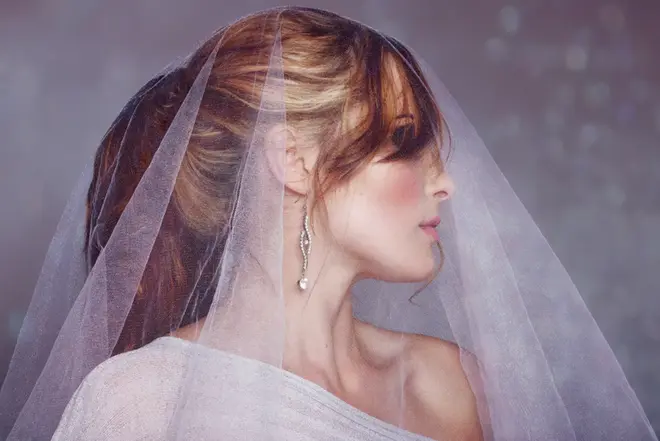
The bridal veil is older than nearly every other wedding custom still practiced today. Long before white gowns, wedding cakes, or formal ceremonies existed, brides in the ancient world covered their faces before walking toward their future spouses. The reasons ranged from spiritual protection to social expectation, and the tradition persisted for thousands of years.
What makes the veil unusual among wedding traditions is its staying power. Couples have dropped countless customs over the centuries, yet veils remain a fixture at weddings worldwide. Understanding where the practice started helps explain why it still resonates with so many brides, even at casual courthouse ceremonies where formal dress codes don’t apply.
Ancient Rome and the Flame-Colored Veil
Most wedding historians trace the bridal veil to ancient Rome, where brides wore a large cloth called a flammeum over their heads during the ceremony. The flammeum was bright yellow or orange (meant to resemble a candle flame), and its purpose was deeply practical by Roman standards: it disguised the bride from evil spirits that might try to block her happiness or curse the marriage.
Romans believed that a bride was especially vulnerable to malevolent forces on her wedding day. The veil served as spiritual camouflage. If spirits couldn’t identify the bride, they couldn’t target her. This superstitious reasoning may sound quaint now, but it was taken seriously enough to become a required part of the Roman wedding ceremony.
The Bridesmaids Connection
Roman brides didn't rely on the veil alone. Bridesmaids dressed in identical outfits to further confuse any evil spirits. This is one origin story for why modern wedding party members wear matching attire.
The tradition spread throughout the Roman Empire and outlasted Rome itself. As different cultures absorbed Roman customs, they adapted the veil to fit their own beliefs and practices.
Religious Roots Across Cultures
The veil took on different meanings as it moved through religious traditions. In each case, it carried symbolic weight that went far beyond fashion.
Catholic tradition linked the veil to modesty and reverence. Women were expected to cover their heads inside a church as a sign of respect during mass. A long mantilla or lace veil fulfilled this requirement while also serving as part of the bridal outfit. For Catholic brides, the veil represented humility before God and the sacredness of the marriage sacrament.
Jewish weddings feature a ceremony called the Bedeken, which centers entirely on the veil. During this pre-ceremony ritual, the groom approaches the bride, lifts her veil to confirm her identity, then lowers it again before the wedding ceremony begins. The custom has roots in the Hebrew Bible: Jacob was deceived into marrying Leah instead of Rachel because he couldn’t see his bride’s face. The Bedeken exists to prevent that kind of mistake. Beyond identity, the veiled bride also reminds the groom to value her inner qualities over physical appearance, reinforcing that marriage is both a spiritual and physical bond.
Eastern Orthodox ceremonies use the veil differently. In some traditions, a cloth or crown is placed over both the bride and groom together, symbolizing their unity rather than the bride’s individual modesty.
Islamic weddings in certain cultures include a face covering for the bride during parts of the ceremony, though practices vary widely by region and family tradition.
How the Veil Became a Fashion Statement
The veil’s shift from religious requirement to fashion accessory happened gradually. During the 18th century, veils fell out of favor as wedding fashion moved toward simpler styles. But in 1840, Queen Victoria’s wedding changed everything. Her choice to wear a long lace veil with her now-famous white dress triggered a massive shift in bridal fashion across Europe and North America.
Victoria didn’t wear the veil for religious reasons. She wore it because the Honiton lace was stunning, and she wanted to showcase the craftsmanship of British lacemakers. The fashion press covered every detail of her outfit, and within a generation, white dresses paired with lace veils became the expected look for brides.
By the early 20th century, the veil was firmly established as a bridal accessory rather than a religious obligation. Brides in the 1920s wore short veils attached to headbands. The 1950s brought voluminous, floor-length styles. The 1960s and 1970s saw veils shrink again as casual and bohemian wedding styles gained popularity. Each era put its own stamp on the veil while keeping the basic concept intact.
What the Veil Means to Modern Brides
Today, the honest answer to “why does a bride wear a veil?” is: because she wants to. The religious and superstitious origins still matter to some brides, but most choose a veil (or skip one entirely) based on personal preference and style.
Some common reasons modern brides give for wearing a veil:
- Sentimental value. Many brides wear a veil that belonged to their mother, grandmother, or another family member. Carrying forward that connection adds emotional weight to the day.
- The “only chance” factor. A wedding is the one occasion where wearing a veil feels appropriate. Some brides want the experience of wearing something they’ll never wear again.
- Visual impact. A long cathedral veil creates a dramatic silhouette walking down the aisle. For brides who want that cinematic moment, nothing else creates the same effect.
- It completes the look. Some wedding dress styles are designed with a veil in mind. The dress and veil work together as a cohesive outfit.
Other brides skip the veil because it doesn’t fit their ceremony style, their outfit, or their personality. At a city hall wedding, where the dress code tends to be more relaxed, going veil-free is completely normal.
Veil Styles and How to Choose One
If you decide to wear a veil, the options range from barely-there to show-stopping. Each style creates a different look and works best with certain dress types.
Blusher veils are short, single-layer veils that cover the face during the processional. The groom (or the bride herself) lifts it during the ceremony. This is the style most closely tied to the traditional face-covering custom. Blushers work well with fitted dresses and shorter hemlines.
Elbow and fingertip veils hit at mid-arm or fingertip length. They add a soft, romantic element without overwhelming the dress. These are popular choices for courthouse and garden weddings because they’re elegant without being overly formal.
Cathedral veils extend several feet behind the bride, creating a long, flowing train. They pair best with formal gowns and make a strong visual statement in large venues. If your ceremony is in a smaller space, a cathedral veil may feel like too much.
Mantilla veils are circular veils edged with lace that drape over the head without a comb. They frame the face beautifully and carry a romantic, vintage feel. Mantillas are especially popular among brides honoring Catholic or Spanish wedding traditions.
Birdcage veils cover just the upper face with netting and attach to a fascinator or clip. They suit retro-inspired looks and work particularly well with shorter dresses, pantsuits, and city hall ceremonies.
Matching Veil to Venue
A cathedral veil in a small courtroom will feel out of place. A birdcage veil in a grand cathedral might feel too casual. Try on multiple styles with your dress and consider the scale of your ceremony space before committing.
DIY and Custom Veil Ideas
Brides who want something personal have several options beyond buying off the rack.
Heirloom alterations. If you have a family veil that’s slightly damaged or outdated in style, a skilled seamstress can reshape, shorten, or add new edging to refresh it while preserving the original material.
Lace from a family dress. Some brides take lace or fabric from a mother’s or grandmother’s wedding gown and have it incorporated into a new veil. This gives new life to a dress that might otherwise sit in a closet.
Custom embroidery. Adding your wedding date, initials, or a short phrase to the veil’s hem creates a personal detail that’s visible in close-up photos but subtle during the ceremony.
Non-traditional materials. Veils don’t have to be tulle or lace. Some brides choose silk, organza, or floral crowns with attached fabric for a look that breaks from convention while still honoring the spirit of the tradition. If you’re searching for your wedding dress, consider veil fabric and material at the same time so both pieces coordinate.
Wearing a Veil at a City Hall Wedding
City hall and courthouse ceremonies come with a more relaxed dress code, but that doesn’t mean veils are off limits. A shorter veil (birdcage or elbow-length) fits the intimate setting of a civil ceremony without looking overdressed.
If you’re planning photos outside the courthouse after the ceremony, a longer veil can create stunning images even if you didn’t wear it during the actual ceremony. Many brides bring a veil specifically for photos and skip it for the legal proceedings.
The key is matching your accessories to the tone of your day. If you’re wearing a tailored suit or a casual dress, a birdcage veil or a simple hair accessory may feel more appropriate than yards of tulle. If you’re wearing a formal gown at city hall (which plenty of brides do), a longer veil works fine.
Check Your Venue's Photo Policy
Some courthouses restrict photography inside the building. If you're planning to wear a dramatic veil primarily for photos, confirm where you're allowed to take pictures so you can plan your look around those locations.
Making the Veil Your Own
The bridal veil started thousands of years ago as protection against evil spirits in ancient Rome. It passed through Catholic churches, Jewish Bedeken ceremonies, Queen Victoria’s Honiton lace, and decades of shifting bridal fashion before arriving at what it is today: a completely optional accessory that means whatever you want it to mean.
Wear it over your face, pinned to the back of your head, only for photos, or not at all. If you want help pulling together the rest of your wedding day checklist, start with the pieces that matter most to you and build outward from there.