8 Custom Wedding Cake Ideas to Make Your Day Personal
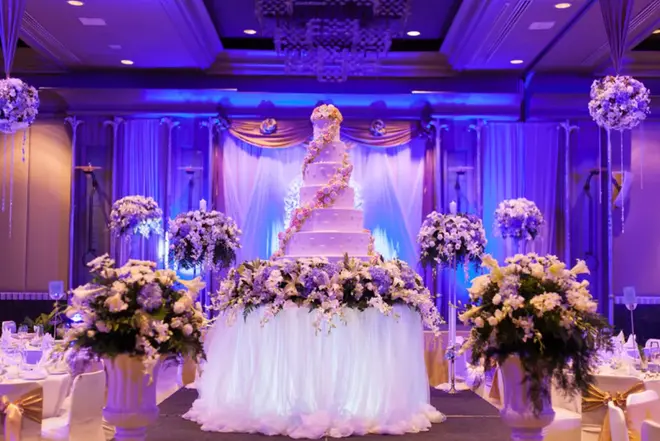
Your wedding cake sits at the center of your reception, gets photographed from every angle, and becomes the focal point of the cake-cutting moment. Choosing the right design deserves real thought.
Whether you’re planning a small courthouse ceremony followed by dinner or a large celebration with a hundred guests, the cake can reflect who you are as a couple. These eight custom wedding cake ideas range from stripped-down minimal designs to full artistic statements, and every one of them can be adapted to your budget, your venue, and your taste.
The Minimalist Single-Tier Cake
A single-tier wedding cake strips away everything unnecessary and lets the quality of the baking speak for itself. A clean color (white, ivory, pale blush) with smooth buttercream or fondant frosting and no decorations lets other parts of your reception take center stage.
This style works particularly well for intimate weddings with fewer than 30 guests, where an enormous layered cake would feel out of proportion. A single-tier cake also pairs naturally with the simplicity of a courthouse wedding.
The practical benefits are significant. A smaller cake costs less in materials, labor, and delivery. Your baker doesn’t need to construct and transport a multi-tier structure, which reduces both the price and the risk of damage in transit. For couples setting a wedding budget, a minimalist cake is one of the easiest places to cut costs without sacrificing style.
The Grand Multi-Tiered Wedding Cake
A multi-tiered wedding cake gives you room to be creative with both flavor and design. Each tier can feature a different flavor profile (vanilla bean, dark chocolate ganache, lemon curd, red velvet with cream cheese), which means guests with different preferences all find something they enjoy.
The tiers also create space for decorative storytelling. Some couples use each level to represent a chapter of their relationship, while others keep it cohesive with consistent colors, sugar flowers, and textures throughout.
For weddings with 75 or more guests, multiple tiers solve a practical problem. A single-tier cake big enough to feed that many people would look squat and awkward. Three to five tiers give you the volume you need while maintaining a shape that photographs well and fits the proportions of your reception venue.
A Color-Matched Wedding Cake
One of the most effective ways to make a wedding feel intentional is to carry your color scheme all the way through to dessert. If your ceremony space features dusty rose and sage green, a cake in those same tones ties the room together visually.
Fondant takes food-safe pigments well, and a skilled baker can match specific Pantone shades. Buttercream is more limited in range but softer in texture, which some couples prefer for its homemade quality. Both work for color-matching, but each medium creates a different visual effect.
Bring fabric swatches, invitation samples, or photos of your linens when you meet with the baker. Colors that look right on a screen shift dramatically when applied to frosting, and your baker needs a physical reference to get the match right. If your wedding follows American traditions with specific color symbolism, the cake is a natural place to reinforce that palette.
A Venue-Proportioned Statement Cake
A cake that’s too small for its surroundings disappears. A cake that’s too large overwhelms the table and crowds other elements. Getting the proportions right matters more than most people realize.
Start by giving your baker the room dimensions, ceiling height, and the size of the cake display table. A cake that looks impressive on a bakery countertop can look tiny in a ballroom or oversized in a restaurant’s private dining room.
Guest count also drives this decision. Plan for one serving per person, keeping in mind that standard cake servings (about 1” x 2” x 4”) are smaller than what most people would cut at home. If you want generous slices, tell your baker upfront so they can adjust the size. Some couples order a smaller display cake for the cutting ceremony and have sheet cakes in the kitchen for actual serving, which gives visual impact without paying tiered-cake prices for every portion.
The Ombre or Gradient Wedding Cake
An ombre wedding cake starts with a deep shade at the base and gradually lightens toward the top (or the reverse), creating movement and visual interest without any additional decorations.
The beauty of this approach is its flexibility. A gradient in blush-to-white feels romantic and soft. Deep purple-to-lavender reads dramatic. Sunset tones (coral, peach, gold) bring warmth. The same structural design can work for nearly any wedding aesthetic just by adjusting the palette, making ombre a strong choice for couples who want a specific color theme.
Ombre works with both buttercream and fondant. Buttercream gradients tend to have a more organic, textured look since the transition between colors isn’t razor-sharp. Fondant allows for a smoother, more precise gradient. Neither is better; they simply create different effects, and your preference depends on whether you lean toward polished or relaxed.
The Hand-Painted Artistic Cake
For couples who want their cake to double as a centerpiece, hand-painted designs turn a wedding cake into edible art. Bakers who specialize in this technique paint landscapes, florals, abstract patterns, or scenes meaningful to your relationship directly onto fondant using food-safe pigments.
Your wedding location can play a starring role. Getting married at a city hall with distinctive architecture? A painted silhouette of the building on your cake connects the ceremony to the celebration. Waterfront venues pair well with harbor or coastal scenes. Garden weddings call for botanical illustrations.
Hand-painted cakes require significantly more labor than standard designs. Expect to pay a premium and book well in advance. Many cake artists who do this work are booked three to six months out. If this style interests you, start the conversation early and bring reference images so the baker can provide an accurate quote and timeline.
The Savory Wedding “Cake” Alternative
Not every couple wants a sugar-heavy centerpiece. Savory wedding cakes, built from stacked wheels of artisanal cheese, have gained popularity for good reason.
A cheese wheel cake looks striking on a table. Stack four or five wheels from large to small (aged cheddar, brie, gouda, blue cheese, manchego), add fresh figs, grapes, and rosemary sprigs, and you’ve got something that photographs well and serves as both a dessert alternative and an appetizer station. Pair it with crackers, honey, charcuterie, and seasonal fruit for a full tasting experience.
Beyond cheese, some couples opt for pie towers, doughnut walls, or dessert bars. The “cake” doesn’t have to be a cake at all. What matters is that you have a focal point for the cutting moment (if you want one) and that guests leave satisfied. If you’re planning a reception after a courthouse wedding, a savory spread can double as your main food station and simplify your catering needs.
Fresh Fruit as the Decoration
Fresh fruit on a wedding cake adds natural color, texture, and flavor that frosting alone cannot replicate. Strawberries, raspberries, blackberries, and figs are the most popular choices because they hold up at room temperature for several hours and pair naturally with vanilla, chocolate, and cream cheese frostings.
A white-frosted cake topped with cascading berries is one of the simplest designs to execute, and it’s consistently one of the most photographed. The color contrast is immediate, and the look reads as both elegant and approachable.
Fruit also balances the sweetness that makes traditional wedding cakes overwhelming for some guests. Berries add tartness that cuts through rich buttercream, and sliced stone fruits (peaches, nectarines) bring brightness that lightens dense cake layers.
One practical note: some fruits brown or wilt quickly, so timing matters. Berries and figs stay stable for several hours, but sliced bananas, apples, or kiwi should be added shortly before the reception. Your baker will know which fruits work best for your timeline and venue temperature.
Choosing the Right Cake for Your Wedding
The best wedding cake isn’t the most expensive or the most elaborate. It’s the one that fits your wedding’s size, your style as a couple, and your budget.
Start by narrowing down two things: your guest count and your aesthetic. A minimalist couple hosting 20 people needs a completely different cake than a pair throwing a 150-person party with a vibrant color scheme. Once you know those basics, the design conversation with your baker becomes productive.
Book your baker at least two months before your wedding date, and schedule a tasting if the bakery offers one. A tasting isn’t just about flavor; it’s your chance to see the baker’s work in person, discuss logistics like delivery and setup, and confirm your vision translates to reality.
Your wedding day details all work together, and the cake is one piece of that picture. Choose one that makes you happy, feeds your guests well, and looks right in the room where you’ll celebrate.
Frequently Asked Questions
How much does a custom wedding cake cost?
A custom wedding cake typically costs between $300 and $700 for a simple two-tier design. Prices increase with the number of tiers, complexity of decorations, and specialty techniques like hand-painting. A single-tier minimalist cake can cost as little as $150, while an elaborate multi-tier cake with sugar flowers or painted details can run $1,000 or more depending on your baker and location.
How far in advance should I order my wedding cake?
Book your baker at least two to three months before your wedding date. If you want a specialty design like a hand-painted cake, start the process three to six months out, since cake artists with these skills are often booked well in advance. Schedule a tasting early so you have time to finalize flavors and design details.
Can I have a wedding cake that isn’t actually cake?
Yes. Many couples choose alternatives like stacked cheese wheels, pie towers, doughnut walls, or dessert bars. The only requirement is having a focal point for the cake-cutting moment if you want that tradition. A savory cheese wheel cake works especially well for couples who prefer to skip a sweet dessert or want the centerpiece to double as an appetizer station.
What wedding cake size do I need for my guest count?
Plan for one standard serving per guest. Standard cake servings are smaller than a typical homemade slice, roughly 1 inch by 2 inches by 4 inches. For 50 guests, a two-tier cake is usually sufficient. For 100 or more guests, you’ll need three to five tiers, or you can use a smaller display cake for the cutting ceremony with sheet cakes served from the kitchen.
What type of frosting holds up best at outdoor weddings?
Fondant holds up better than buttercream in warm weather because it doesn’t soften or melt as quickly. If you prefer the taste and texture of buttercream, ask your baker about Swiss meringue or Italian meringue buttercream, which are more heat-stable than American buttercream. Keep the cake in a shaded, cool area and have it set out no more than two hours before serving.