What Does a Best Man Do? A Full Wedding Day Guide
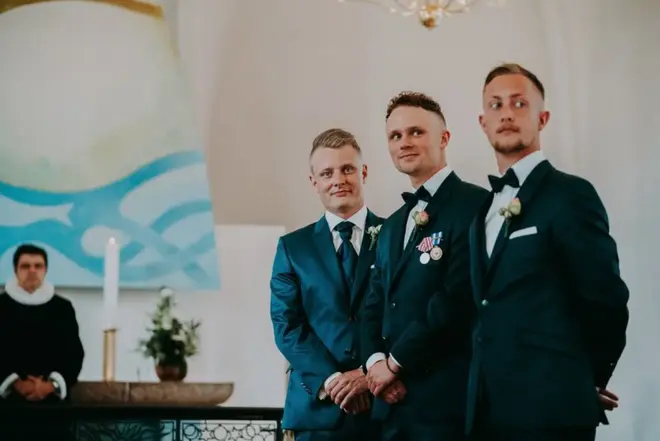
The best man title sounds like an honorary label, but the role comes with a real list of responsibilities. From months before the wedding through the final send-off, the best man acts as the groom’s right hand, keeping logistics on track and the mood light when nerves kick in.
If you have been asked to be a best man (or you are the groom trying to explain what you actually need), this guide covers every responsibility from the first planning conversation to the last dance.
Pre-Wedding Planning and the Bachelor Party
The best man’s work starts long before the wedding day itself. In the weeks and months leading up to the ceremony, the best man handles several planning tasks that keep things moving forward.
The bachelor party is the biggest pre-wedding responsibility. The best man organizes and coordinates the event with input from the other groomsmen. That means picking a date that works for the group, planning activities, booking reservations or travel, and collecting contributions from everyone involved. The bachelor party does not need to be extravagant. A weekend camping trip or a night out at the groom’s favorite restaurant counts just as much as a destination getaway.
Beyond the bachelor party, the best man also:
- Attends the engagement party and any pre-wedding celebrations
- Helps coordinate groomsmen attire, including fittings and rentals
- Shows up to the rehearsal and rehearsal dinner
- Acts as a go-between for the groom and other groomsmen on scheduling and logistics
Think of this phase as project management. The groom and their partner are juggling dozens of decisions, and the best man takes a few of those off their plate. If you are building a full wedding party, our guide to meaningful wedding roles for friends and family breaks down every position and what each person handles.
The best man supports the groom while the maid of honor supports the bride. Both hold the rings, witness the marriage license, and give a reception toast. The main difference is who they coordinate with: the best man manages the groomsmen, and the maid of honor manages the bridesmaids.
Getting Ready on the Wedding Morning
The wedding morning sets the tone for the entire day, and the best man plays a big part in making sure it starts smoothly. He gets dressed alongside the groom and groomsmen, typically at a hotel room, the groom’s home, or a designated getting-ready space near the venue.
During this time, the best man handles several practical tasks:
- Checking attire. Making sure every groomsman has their suit, shoes, ties, cufflinks, and boutonnieres ready to go. If something is missing or damaged, the best man is the one who figures out a solution.
- Keeping the groom calm. Wedding-day nerves are completely normal. The best man’s job is to keep the energy positive, whether that means cracking jokes, playing music, or simply being a steady presence.
- Managing the timeline. The best man keeps an eye on the clock and coordinates with the wedding planner or coordinator so the groomsmen are dressed, photographed, and at the venue on time.
Some best men also bring small gifts for the groom or groomsmen during this time, like personalized flasks, custom cufflinks, or a handwritten note. It is a thoughtful touch, but not a requirement. For more on what to do the day before the wedding, we have a full checklist that covers both the bride and groom’s side.
Coordinating Transportation to the Venue
Getting everyone to the right place at the right time sounds simple, but with a group of groomsmen, a photographer, and a groom running on caffeine and adrenaline, it takes coordination.
The best man arranges transportation from the getting-ready location to the ceremony venue. This might mean booking a car service, organizing a carpool, or simply making sure everyone has the address and knows when to leave. The goal is to get the full wedding party to the venue early enough for pre-ceremony photos and a final run-through with the officiant.
Arriving at least 30 to 45 minutes before guests start showing up gives the wedding party breathing room. Nobody wants to rush through photos or have the groom sprinting to his mark because the ride showed up late.
Standing with the Groom During the Ceremony
This is the part most people picture when they think of the best man. Standing beside the groom at the altar (or at the clerk’s counter, if it is a courthouse wedding) is both symbolic and practical.
The best man’s presence signals support, trust, and a deep personal connection. It is also a functional role with specific tasks:
- Holding the rings. If there is no ring bearer, the best man keeps both wedding bands safe, usually in an inside jacket pocket. When the officiant calls for the rings, the best man hands them over. Double-check that you have them before leaving the getting-ready location.
- Witnessing the marriage license. In most U.S. states, the marriage license requires a witness signature from each side. The best man and maid of honor traditionally fill this role. Without valid witness signatures, the license may not be processed by the county clerk.
- Paying the officiant. Some couples ask the best man to handle the officiant’s payment or tip after the ceremony. If the couple arranges this ahead of time, the best man should have the envelope ready and hand it over discreetly after the recessional.
For couples having a city hall wedding, the ceremony is usually shorter and more intimate. The best man's duties stay the same: hold the rings, witness the license, and stand beside the groom. The only difference is the setting. Many city hall ceremonies take 15 to 20 minutes, so the best man should be ready the moment the couple's name is called.
The Best Man Toast and Reception Duties
Once the ceremony wraps up, the best man shifts into reception mode. This is where the role becomes more social and public-facing.
The receiving line. At traditional receptions, the best man stands in the receiving line near the couple and greets guests as they arrive. Not every couple does a receiving line, but if yours does, be ready with a warm handshake and a genuine smile.
The toast. The best man’s speech is often the highlight of the reception. A good toast is personal, warm, and runs about three to five minutes. It should include a story or two about the groom, a genuine compliment to the couple, and a closing that invites everyone to raise their glasses. Our guide to writing a wedding toast that people remember breaks down exactly how to structure a memorable speech.
Here are a few tips for a strong best man toast:
- Write it down and practice at least three times out loud
- Keep inside jokes to a minimum (if half the room does not get it, skip it)
- Stay away from embarrassing stories that might make the couple cringe
- End on a sincere, forward-looking note about the couple’s future together
Looking after the groom. During the reception, the best man keeps an eye on the groom’s needs. That might mean making sure he eats (surprisingly easy to forget at your own wedding), bringing him water, or running interference if a guest is monopolizing his time.
Photos, Dancing, and Keeping the Party Going
The best man appears in many of the formal wedding photos, both during the ceremony and at the reception. Be prepared to stick around for the photographer’s full shot list, which might include wedding party portraits, family combinations, and candid moments throughout the evening.
On the dance floor, the best man traditionally dances with the maid of honor during the wedding party dance. Beyond that, the best man’s job is to set the energy for the room. If the dance floor is empty, be the first one out there. If guests seem unsure about whether to get up, the best man and groomsmen can get things moving.
Some best men also take on a few extra tasks during the reception:
- Helping decorate the couple’s getaway car
- Gathering cards and gifts from the gift table for safekeeping
- Coordinating the couple’s exit or send-off at the end of the night
If you are planning the entertainment and activities for the reception, the best man can help keep transitions smooth between toasts, dances, and any special moments the couple has planned.
Months before: Plan the bachelor party, coordinate groomsmen attire
Week before: Attend rehearsal and rehearsal dinner, confirm transportation
Morning of: Help the groom get ready, manage the groomsmen timeline
Ceremony: Hold the rings, witness the marriage license, stand beside the groom
Reception: Give the toast, look after the groom, help with the send-off
Choosing the Right Person for the Role
The duties listed above are the logistics. What separates a good best man from a great one is something harder to put into a checklist: being genuinely present for the groom throughout the entire process.
A great best man anticipates problems before they happen. He notices when the groom is stressed and steps in without being asked. He handles small crises quietly so the couple never even knows there was an issue. He shows up early, stays late, and treats the role like it matters, because it does.
If you are choosing your best man, pick someone who is reliable, organized, and cares about your happiness. It does not have to be your brother or your longest friendship. It should be the person you trust most to have your back on one of the biggest days of your life.
For more on building your wedding party, check out our guide to wedding etiquette dos and don’ts, and if you are delegating tasks on the wedding day, knowing what the best man handles will help you assign everything else.