Unique Unity Ceremony Ideas for Your Wedding Day
A unity ceremony gives your wedding a moment that belongs only to the two of you. It’s the part of the day where you step away from the legal paperwork, the seating chart, and the standard program to do something together that carries real personal weight.
The best unity ceremonies reflect who you are as a couple. They don’t need to be elaborate or expensive. Some take thirty seconds. Others involve your entire guest list. All of them add a personal layer to the celebration that standard vows alone can’t quite capture. Whether you’re planning a courthouse wedding or a large traditional reception, a unity ritual creates a shared memory that feels distinctly yours.
Here are some of the most memorable options, from time-tested choices to a few you might not have considered.
Unity Candle Lighting
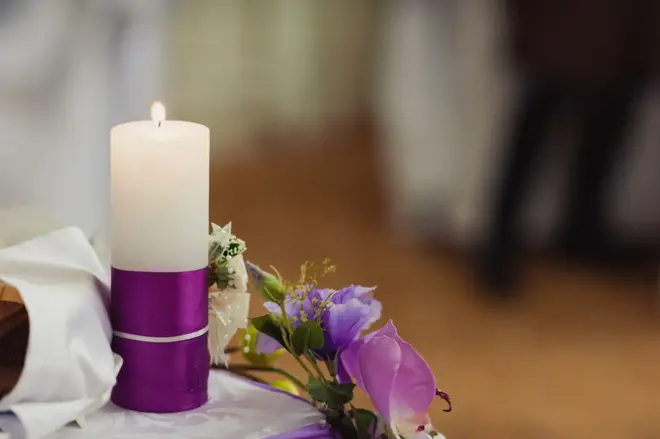
The unity candle ceremony is one of the oldest and most widely recognized wedding rituals, rooted in Christian liturgical tradition. Each partner lights their own taper candle, then together they use those two flames to light a single, larger pillar candle at the center of the altar. The two individual flames becoming one is a straightforward visual metaphor for the joining of two lives, and it resonates with guests every time.
Some couples involve their parents in this ritual. Each set of parents lights one of the taper candles at the start of the ceremony, representing the families that shaped each partner. The couple then takes those flames and creates something new together. This version acknowledges that marriage connects families, not just individuals.
Outdoor Ceremonies and Wind
If you're planning an outdoor ceremony, wind can make candle lighting unpredictable. Keep a glass hurricane lantern on hand, or consider sand pouring or tree planting as alternatives that work better in open air.
One practical consideration: unity candle ceremonies work best in indoor venues or sheltered outdoor spaces. If your heart is set on candles outside, a glass hurricane or enclosed lantern keeps the flame reliable throughout the ceremony.
Sand Pouring Ceremony
Sand pouring is a favorite for outdoor weddings, beach ceremonies, and courthouse celebrations alike. Each partner holds a container of colored sand, and together they pour both colors into a single vessel. The grains intertwine and create a layered pattern that’s impossible to separate, which is exactly the point.
What makes sand pouring so adaptable is how personal you can make the details. Some couples choose sand collected from beaches where they vacationed together. Others pick colors that match their wedding palette. Families with children sometimes give each child their own sand color to pour into the vessel, transforming the ritual from a couple’s moment into a whole-family commitment.
The finished vessel becomes a keepsake you display at home, a permanent, visible reminder of the ceremony itself. Sand ceremonies originated in Hawaiian and Native American traditions before becoming popular in mainland American weddings, and they carry no specific religious association, making them a fitting choice for interfaith or secular couples.
Wine Blending
Wine blending works well for couples who bond over food and drink together. Each partner pours a different wine into a shared glass or decanter, combining the two into something new. You can take the first sip together right there at the altar, or pour glasses for the wedding party to share.
The key to pulling this off: test your combinations beforehand. A bold Cabernet and a delicate Riesling don’t always play well together. Two complementary reds or two different whites tend to produce better results, both in flavor and in the visual blending. You can also pre-blend a larger batch to serve at the reception, turning your unity ceremony into the first toast of the evening.
For couples who don’t drink wine, this concept adapts easily. Coffee, tea, juice, or hot chocolate during a winter wedding all carry the same symbolism of two distinct elements becoming one.
Tree Planting
Planting a tree together is a unity ceremony that keeps growing long after the wedding day ends. Each partner scoops soil into a shared pot, then together you plant a sapling and water it for the first time as a married couple.
The symbolism runs deeper than most unity rituals. A tree needs consistent attention, patience through difficult seasons, and time to grow strong. Marriage asks for the same things. Years from now, that tree in your yard, your parents’ yard, or a public park where you arranged permission to plant it will stand taller than you are, a living record of the commitment you made.
Olive trees, oak saplings, and Japanese maples are popular choices for unity tree planting. Pick a species that will thrive in your local climate and hardiness zone, because a tree that doesn’t survive sends the wrong message. Your local garden center can help you select a variety suited to your region.
Ring Warming
A ring warming ceremony brings your guests directly into the wedding itself. Before the ceremony begins, your wedding rings are passed from person to person through the audience. Each guest holds the rings briefly, warming them in their hands while silently offering a wish, a prayer, or a moment of good energy for your marriage.
By the time the rings reach you at the altar, they carry the collective warmth and goodwill of everyone who showed up for you. Ring warming transforms guests from spectators into active participants, and many couples say it’s the moment that made their ceremony feel most communal.
For practical reasons, tie the rings to a ribbon or place them in a small fabric pouch so they’re easier to pass and harder to drop. If your guest list is large, start the rings at both ends of the seating and have them meet in the middle. This approach works well at smaller weddings where the rings can circulate before the processional even starts.
Timing Your Ring Warming
Start passing the rings 10 to 15 minutes before the ceremony begins. For guest lists over 50, use two ring pouches starting from opposite sides of the seating. This way, the rings return to you by the time you need them for the exchange.
Anniversary Time Capsule
This one is part ceremony, part gift to your future selves. During the wedding, each partner places a sealed letter to the other inside a wooden or decorative box, along with a bottle of wine and any keepsakes that capture the moment: photos, ticket stubs from early dates, handwritten notes from guests. The box gets sealed shut during the ceremony and set aside.
On your first anniversary, or fifth, or tenth, depending on your patience, you open the box together. You read letters from a version of yourselves who had no idea what married life would actually look like. You drink wine that’s been aging alongside your relationship. You remember exactly how you felt on the day you started.
Inviting friends and family to write notes or contribute small items before the ceremony adds a layer of surprise when you finally open it. The anniversary time capsule gives you a reason to celebrate your marriage again, years after the wedding itself.
Unity Canvas Painting
For couples who lean toward the artistic side, a unity canvas turns part of your ceremony into collaborative art. Each partner picks a paint color and pours or brushes it onto a shared canvas at the altar. The colors meet, blend, and create an abstract pattern that’s completely unrepeatable, a one-of-a-kind piece created in real time.
The finished painting gets framed and hung in your home. Unlike a photograph, which captures what the day looked like, the canvas captures what it felt like: two distinct elements coming together to create something that didn’t exist before.
Keep the execution simple on the day itself. Smocks or aprons protect formal clothes from stray paint. Pouring paint rather than brushing it is faster and produces striking results with less risk of a mess. Your wedding photographer will thank you for the visual.
Taking Communion Together
For couples with a shared Christian faith, taking communion during the ceremony is a deeply significant unity ritual. You share the bread and wine together as your first act as a married couple, centering your partnership in the foundation of your shared beliefs.
Some couples take communion privately at the altar while the officiant addresses the congregation. Others invite every guest to participate, creating a communal act of worship. Either approach carries weight. The choice usually depends on how you and your partner practice your faith and what feels most authentic to your relationship.
If your guests come from mixed religious backgrounds, a brief explanation from the officiant about the significance of communion helps everyone feel included, even those who aren’t participating directly.
A Celebratory Toast or Shot at the Altar
Not every unity ceremony needs to be solemn. If your relationship is built on laughter and good times, a shared toast or shot at the altar sets the tone for the party to come. Pick a drink that means something to you: a spirit from the region where you got engaged, a cocktail from your first date, or a family recipe passed down through generations.
This option works especially well for courthouse weddings and smaller ceremonies where the vibe is more relaxed than formal. It gets a genuine laugh from the crowd, loosens the mood instantly, and gives your photographer a candid shot worth framing.
You can pair this with a brief explanation of why you chose that particular drink. The story behind the selection often resonates more than the toast itself.
How to Decide if a Unity Ceremony Is Right for You
A unity ceremony is completely optional, and plenty of meaningful weddings skip one entirely. If nothing on this list speaks to you, that’s perfectly fine. Your wedding vows and the act of exchanging rings already carry enormous symbolic weight on their own.
The purpose of a unity ritual is to add something personal to the ceremony, not to fill time or check a box on a planning list. If an idea feels right, it can become one of the most memorable parts of your day. If nothing fits, don’t force it. Your wedding should reflect you as a couple, not a checklist of things other couples have done.
Consider your venue, your guest count, and your comfort level with being the center of attention for an extra few minutes. A sand ceremony takes about ninety seconds. A tree planting might take three to four minutes. A ring warming happens before the ceremony even starts. Matching the ritual to the flow of your day matters more than choosing the most creative option.
For more ideas on making your ceremony feel personal, read our guides on popular American wedding traditions, ceremony etiquette for couples, and choosing your first dance.