Tips for Hiring Wedding Musicians on a Budget
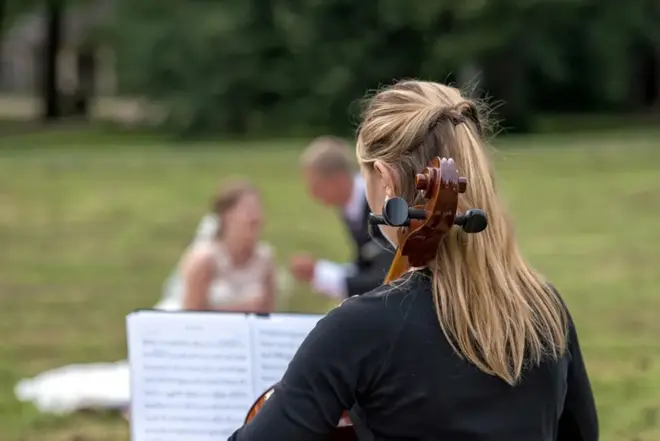
Live music changes the feel of a wedding. A recorded playlist does the job, but real instruments and a real voice filling the room make the moment land differently. The good news: you don’t need a massive entertainment budget to make it happen.
Whether you’re planning a courthouse wedding followed by a reception or a more traditional ceremony, live musicians are within reach if you know where to look and how to negotiate. These tips will help you book quality talent without draining your wedding fund.
Search for Musicians in Your Area First
A big chunk of what you pay a wedding band often covers travel. Musicians who advertise that they serve your region might actually be driving three or four hours round trip, and that mileage shows up in your quote.
Start your search within 25 miles of your venue. Local wedding musicians cost less and come with practical advantages:
- Reliable arrival times. No risk of a delayed start because the band hit traffic on a long highway drive.
- Familiarity with the venue. Local players have likely performed at nearby halls, parks, and event spaces before. They know the acoustics and the setup requirements.
- Fresh energy. A musician who drove 20 minutes shows up ready to perform, not recovering from a four-hour commute.
Check community boards, local music school alumni pages, and regional musician directories. Many talented performers who play weddings regularly never appear on the big national booking platforms because they fill their schedule through word of mouth and local referrals.
If you can’t find the right fit locally, expand your radius gradually. But don’t jump straight to musicians two states away, because the travel surcharge will eat into your savings fast.
Choose Smaller Groups Over Full Bands
A ten-piece band sounds incredible, but the price tag reflects every member on that stage. You can get a similar emotional impact with fewer musicians if you choose wisely.
Consider these options:
- Solo instrumentalist for the ceremony. A single violinist, cellist, or guitarist playing during the processional and recessional creates an elegant, intimate atmosphere. This works especially well for courthouse weddings and smaller ceremonies.
- Duo or trio instead of a quartet. A skilled string duo (violin and cello, for example) can deliver the warmth and richness you’re after, with two fewer paychecks on the invoice.
- Three-piece band for the reception. Guitar, bass, and drums (with one member singing) can cover a wide range of genres and keep a dance floor moving all night.
The key is matching the group size to your guest count and venue size. Fifty guests in an intimate restaurant don’t need a six-piece band. Two or three musicians will fill that space perfectly and sound better in a smaller room.
Book One Act for the Entire Day
Hiring separate musicians for the ceremony, cocktail hour, and reception adds up quickly. A smarter approach: find one versatile group that can shift their style throughout the day.
A band with a keyboardist, guitarist, drummer, and vocalist can handle all of this:
- Soft acoustic arrangements as guests arrive and during the ceremony
- Mellow jazz or bossa nova during cocktail hour and dinner
- High-energy dance sets after dinner
When you interview bands, ask specifically about their range. Can they play quiet jazz standards and then pivot to Motown or pop hits? Do they have a stripped-down acoustic set for the ceremony? A band that covers the full wedding day saves you the cost of booking multiple acts and simplifies coordination, since you’re only working with one group instead of three.
This approach also creates a smoother experience for your guests. The same musicians who played during the vows are the ones getting people on the dance floor later, which gives the whole day a connected feel.
Prioritize Experience Over Price Alone
Cutting costs is the goal, but hiring the cheapest option without checking their track record is a gamble that rarely pays off. An inexperienced musician might freeze in front of a crowd, miss cues during the processional, or play at the wrong volume during dinner toasts.
Before you book anyone, ask for:
- Years of experience performing at weddings specifically (not just general gigs or bar shows)
- Number of weddings per year they typically handle
- Video from a recent wedding performance, not a rehearsal or studio session
- References from past couples who can speak to their professionalism and reliability
A seasoned wedding musician knows how to read the room, adjust volume between ceremony and reception, and handle the unexpected (a late start, tricky venue acoustics, or a timeline change). That kind of reliability is worth paying a bit more for. The entertainment sets the tone for your entire celebration, so set your budget thoughtfully in this category.
Your wedding vendor choices all interact with each other. A great band working in a venue with terrible acoustics is still a problem, so consider how your musician selection fits with your other decisions.
Pick an Off-Peak Date for Better Rates
Saturday evenings in June are prime time for wedding musicians, and their pricing reflects that demand. If your schedule allows flexibility, choosing a less popular date can save you a significant amount on entertainment costs.
Day of the week matters. Friday and Saturday bookings carry premium rates. A Sunday afternoon wedding or a Thursday evening celebration often qualifies for lower pricing, sometimes 20 to 30 percent less than a Saturday night.
Season matters too. November through March is the off-peak window for most of the country. Musicians have fewer bookings during these months and are more likely to negotiate on price or include extras (like an additional set or extended playing time) at no charge.
If you’re already considering a courthouse ceremony to keep things simple, pairing it with an off-peak date gives you even more room in your budget for the celebration afterward.
Book Early to Lock In Better Pricing
The further out you book, the more options you have and the better deal you can negotiate. Musicians who fill their calendar early are sometimes willing to offer discounts for bookings made a year or more in advance.
Early booking also gives your musicians time to:
- Learn specific songs you want played during the ceremony or first dance
- Coordinate with your venue on setup, sound checks, and timing
- Prepare smooth transitions between different parts of the day
Waiting until the last few months before your wedding flips the power dynamic. Fewer musicians are available, and those who are can charge a premium because they know you’re running out of options. If you’ve already set your date, make entertainment one of the first items you check off your wedding planning checklist.
Ask About Package Deals and Add-Ons
Many wedding musicians offer packages that bundle multiple services together at a lower total cost than booking each element separately. Before you settle on a quote, ask about:
- Ceremony plus reception packages that cover the full day at a discounted rate
- Extended play options for an extra 30 or 60 minutes at a reduced per-hour rate
- Sound equipment included in the price (some bands bring their own PA system and microphones, others charge extra for gear rental)
- MC services where the lead vocalist handles announcements, introductions, and dance floor coordination
You should also ask what’s not included. Some musicians charge separately for setup and breakdown time, travel beyond a certain radius, or overtime if the reception runs long. Getting a full picture of the costs upfront prevents surprises on your invoice after the wedding.
How to Get the Most From Your Wedding Music Budget
Hiring wedding musicians on a budget doesn’t mean settling for less. It means being strategic about where you search, when you book, and what you ask for. Local talent, smaller ensembles, off-peak dates, and early reservations all work in your favor.
Start reaching out to musicians as soon as you have a date and venue locked in. Ask questions, watch performance videos, and compare quotes from at least three acts before you commit. The right musicians will make your wedding day memorable, and your budget will thank you for the effort you put into finding them.
Frequently Asked Questions
How much do wedding musicians typically cost?
Wedding musician costs vary by group size and location. A solo instrumentalist for a ceremony typically charges $150 to $400. A duo or trio ranges from $400 to $1,500. A full wedding band with four to six members usually costs $2,000 to $6,000 for a reception. Off-peak dates and early booking can reduce these rates by 20 to 30 percent.
What is the difference between a wedding band and a wedding DJ?
A wedding band performs live music with real instruments and vocals, creating an interactive energy that changes with the room. A DJ plays pre-recorded tracks and manages transitions between songs. Bands cost more but offer a unique, personalized performance. DJs are more affordable and can play a wider variety of songs exactly as recorded. Some couples hire a DJ for the reception and a solo musician for the ceremony to get both experiences.
When should I book wedding musicians?
Book your wedding musicians 9 to 12 months before your wedding date. Popular bands and solo performers fill their calendars quickly, especially for peak-season Saturdays. Early booking gives you more choices, better negotiating power, and enough time for the musicians to learn any special song requests for your ceremony or first dance.
Can I hire music students to perform at my wedding?
Music students from local colleges and conservatories can be an excellent budget option for ceremony music. Many advanced students perform at a professional level and charge significantly less than established wedding musicians. Contact the music department at nearby universities and ask about student ensembles available for private events. Request audition recordings before booking to confirm they meet your quality expectations.
What questions should I ask a wedding musician before booking?
Ask about their experience with weddings specifically, how many they perform per year, what genres they cover, whether they provide their own sound equipment, and if they carry liability insurance (some venues require it). Request video of a recent live wedding performance rather than studio recordings. Confirm their policy on overtime, cancellation, travel fees, and what happens if a member is unable to attend.