Do You Have to Have Wedding Favors? What Couples Should Know
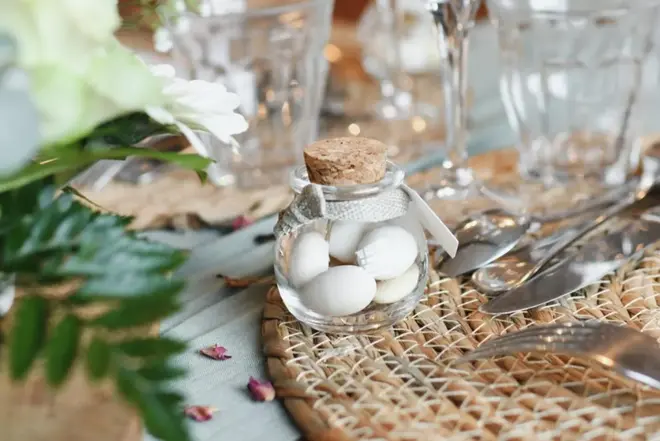
The Short Answer: No, Wedding Favors Are Not Required
Wedding favors are not required. No etiquette rule, no wedding planner guideline, and no cultural obligation demands that every guest leave your reception with a small gift. That said, skipping them entirely without a plan can leave some guests feeling like something was missing from the celebration.
The real question isn’t whether you have to provide wedding favors. It’s whether you want to, and if not, what you’ll do instead to show your guests you appreciate them celebrating your marriage.
This guide covers the history behind wedding favors, practical options at every price point, and how to handle the decision without stress or guilt.
Where the Wedding Favor Tradition Comes From
Wedding favors have roots stretching back centuries across European wedding customs. Aristocrats gave guests small boxes of sugar or confections called “bonbonnieres” to mark the occasion. Sugar was expensive in medieval and Renaissance Europe, so offering it was a genuine gesture of generosity and status.
Over time, the tradition took specific forms in different cultures. Five sugared almonds became a staple at Italian weddings, each almond representing a wish for the couple: health, wealth, happiness, fertility, and long life. French weddings followed a similar custom with “dragees” (sugar-coated almonds) wrapped in tulle or placed in decorative boxes.
In modern American weddings, the tradition has evolved into a broad category. Anything from personalized bottle openers to packets of hot cocoa qualifies. Like many popular American wedding traditions, the original purpose remains the same: thanking guests for celebrating alongside you.
Understanding this history helps frame the decision. Wedding favors were never about obligation. They started as a genuine expression of gratitude, and that spirit should guide whatever you choose to do.
Why Some Couples Skip Wedding Favors Entirely
Budget is the most common reason couples decide against wedding favors. The average wedding favor costs between $2 and $5 per guest. For a wedding with 150 attendees, that adds up to $300 to $750 on items that often get left behind on reception tables or tossed in hotel trash cans.
Beyond cost, there’s a practical reality: many wedding favors go to waste. Personalized koozies, keychains, and decorative candles with the couple’s names and wedding date printed on them rarely find a second life after the reception ends. Edible favors like cookies and candies fare better, but even those sometimes sit untouched.
Couples planning a courthouse wedding or intimate ceremony may also feel that favors don’t fit the tone. A quick civil ceremony with a handful of close friends calls for a different kind of gratitude than a 200-person ballroom reception.
If you’re already working within a tight wedding budget, favors are one of the easiest line items to cut or reduce without affecting the guest experience.
Quick math: At $3 per guest, a 150-person wedding spends $450 on favors. Many of those items get left on tables. Before committing, ask yourself: would that $450 be better spent on food, music, or photography?
When Wedding Favors Are Worth the Effort
Not every situation calls for skipping favors. In some cases, providing a small token genuinely matters to your guests and your families.
Destination weddings and out-of-town guests. When people fly across the country or take time off work to attend your wedding, a small gesture goes a long way. These guests have already spent money on flights, hotels, and formal attire. A thoughtful favor acknowledges that investment of time and money.
Cultural and family expectations. Some families and cultural traditions treat wedding favors as a standard part of the celebration. Italian, Greek, and Middle Eastern wedding customs often include specific types of guest gifts. If your grandmother would be disappointed, or if your cultural background emphasizes hospitality through gifts, honor that expectation. You can still do it affordably.
Weddings with a strong personal theme. If your wedding has a distinctive theme, favors can reinforce it in a way guests actually enjoy. A fall wedding with small jars of local honey, or a coastal ceremony with packets of sea salt, feels intentional rather than obligatory.
Large receptions with seated dinners. A favor at each place setting gives tables a finished, thoughtful look and gives guests something to engage with while waiting for the first course.
Budget-Friendly Wedding Favor Ideas That Actually Work
If you do want favors but don’t want to overspend, focus on items people will use or consume that same day. The best wedding favors are the ones that don’t end up in a junk drawer six months later.
Edible wedding favors (most popular and least wasted):
- Homemade cookies, brownies, or fudge wrapped in simple packaging
- Small bags of locally roasted coffee beans
- Individual honey jars with a handwritten label
- Seasonal fruit preserves from a local farm stand
- Individually wrapped chocolate truffles
Practical items guests will keep:
- Seed packets (wildflower mixes native to your area work well)
- Small potted succulents or herbs
- Matchbooks or matchboxes with a custom design
- Bookmarks for a book-loving couple
Personal touches that cost little or nothing:
- Handwritten thank-you notes at each place setting (often more meaningful than any purchased item)
- A printed recipe card for a family dish that matters to you
- A QR code card linking to a shared photo album where guests can upload pictures from the night
The key is choosing something that reflects who you are as a couple rather than picking a generic item from a wedding favor catalog.
Best-kept secret: Handwritten thank-you notes at each place setting cost nothing and consistently rank as the most meaningful gesture guests receive. A few sentences of genuine thanks outperform any store-bought favor.
Creative Alternatives to Traditional Wedding Favors
You can thank your guests without handing them a physical object. Several alternatives accomplish the same goal while often creating a more memorable experience for everyone at the reception.
Charitable donations in lieu of favors. Make a donation to a cause that matters to you on behalf of your guests. Place a small card at each setting explaining the donation and why you chose that organization. Most guests respond warmly to this approach, especially when the cause has a personal connection to the couple.
Late-night snack station. Instead of favors at the table, set up a to-go snack bar near the exit. Guests can grab a slice of pizza, a bag of popcorn, or a mini sandwich on their way out. This works especially well for reception parties after a courthouse ceremony, where the vibe is casual and fun.
Photo booth with printed keepsakes. A photo booth (or a DIY selfie station with props) gives guests a physical memento they actually want to keep. The photo strip becomes a personal reminder of the night, not a generic trinket.
Leftover cake or dessert to go. If you’re having a large wedding cake or a dessert bar, supply small to-go boxes near the end of the night. Guests love taking home a slice of wedding cake, and it prevents leftover waste.
Interactive food or drink stations. A build-your-own trail mix station, a hot chocolate bar in winter, or a lemonade stand in summer lets guests create their own “favor” while adding an activity to the reception.
Courthouse couples: If you're having a small civil ceremony followed by dinner, a late-night snack station or dessert-to-go boxes are all you need. Formal favors can feel out of place at casual celebrations.
Who Pays for Wedding Favors?
Traditionally, the couple covers the cost of wedding favors. This falls under the overall wedding budget breakdown, categorized as a reception expense alongside catering, venue, and entertainment.
A parent, wedding party member, or close friend sometimes offers to handle favors as their contribution to the celebration. If someone volunteers, accept graciously. Just make sure they understand your preferences and per-guest budget before they start ordering 200 personalized wine glasses.
Planning involves a few practical steps:
- Finalize your guest count first. Order 10% extra to account for last-minute additions or replacements for damaged items.
- Set a per-guest budget. Decide how much you’re comfortable spending per person and multiply by your headcount.
- Choose your distribution method. Will favors sit at each place setting, go on a dedicated table near the exit, or get handed out by the wedding party?
- Time your order. For custom or personalized items, order at least six to eight weeks before the wedding date. For homemade treats, plan your prep schedule so nothing is rushed the week of the ceremony.
How to Present Wedding Favors at Your Reception
Presentation matters. A well-placed wedding favor feels intentional. A pile of bags on a random table feels like an afterthought.
At the place setting. The most classic approach. Each guest finds their favor at their seat, often beside or on top of their napkin. This works well for small, flat, or lightweight items like chocolate boxes or seed packets.
Dedicated favor table near the exit. Set up a table with a sign that says something simple like “A little something to remember tonight.” Guests grab one as they leave. This approach reduces waste because only interested guests take one.
Incorporated into the table decor. Small potted plants, mini candles, or bottles of olive oil can serve as both table decoration and wedding favor. This saves money by combining two budget line items into one.
Handed out during a specific moment. Some couples have their wedding party distribute favors during a particular event, like after the cake cutting or during the wedding toast. This adds a personal touch and makes sure every guest gets one.
Making the Decision That Fits Your Wedding Style
Wedding favors are one of those traditions where personal preference matters more than protocol. Skip them if they don’t fit your budget, your style, or your vision for the day. Keep them if the tradition matters to you or your families.
The one thing that genuinely matters is that your guests feel appreciated. Whether that comes through a small gift at their seat, a charitable donation card, a late-night taco bar, or a heartfelt speech during the reception, the gesture matters more than the form it takes.
Your wedding, your rules. Spend your budget and energy on the parts of the day that mean the most to you and your partner, and let go of anything that feels like an obligation rather than a joy.
Frequently Asked Questions About Wedding Favors
Is it rude to not have wedding favors?
No, it is not rude to skip wedding favors. Wedding etiquette does not require them, and many guests won’t notice their absence. What matters is that your guests feel welcomed and appreciated throughout the celebration. A heartfelt toast, good food, and a fun reception leave a stronger impression than any small gift at the table.
How much should you spend on wedding favors per guest?
Most couples spend between $2 and $5 per guest on wedding favors. For a 100-person wedding, that means a total budget of $200 to $500. Edible favors like homemade cookies or chocolate truffles tend to offer the best value because guests actually consume them rather than leaving them behind. DIY options like handwritten notes or printed recipe cards cost even less.
What are the best wedding favors that guests actually keep?
Edible favors have the highest “take home” rate. Homemade baked goods, small jars of honey, locally roasted coffee, and chocolate truffles consistently perform well. For non-edible options, seed packets and small potted succulents are popular because they serve a practical purpose. Personalized items with the couple’s names and date (koozies, keychains, bottle openers) are more likely to be left behind at the reception.
Can you do a donation instead of wedding favors?
Yes, making a charitable donation on behalf of your guests is a widely accepted and appreciated alternative to traditional wedding favors. Place a small card at each table setting explaining the donation and why you chose that cause. This approach works best when the charity has a personal connection to the couple, which makes the gesture feel genuine rather than generic.
When should you order wedding favors?
Order personalized or custom wedding favors at least six to eight weeks before your wedding date to allow for production and shipping time. For bulk items like candy or packaged goods, four weeks is usually sufficient. If you’re making homemade favors like baked goods or preserves, plan your prep schedule for the week before the wedding and recruit help from your wedding party or family members.