At a Glance
| Detail | Info |
|---|---|
| Total cost | $70 ($60 license + $10 ceremony) |
| Ceremony venue | Richard J. Daley Center, 119 W. Randolph St., Lower Level, Chicago, IL 60602 |
| License office | Cook County Clerk, 69 W. Washington St., Suite 120, Chicago, IL 60602 |
| Weekday ceremonies | Tue-Fri, 9 AM-12 PM and 2-4 PM (walk-in, no appointment) |
| Saturday ceremonies | 9 AM-12 PM (appointment required, call (312) 603-5660) |
| Monday ceremonies | 9 AM-4 PM virtual/Zoom (appointment required, verify availability) |
| Waiting period | 1 day (waivable with court-approved premarital course) |
| License validity | 60 days, ceremony must be in Cook County |
| Guest limit | 15 |
| Residency required | No |
| Witnesses | Bring at least one (Illinois law may not require it, but individual judges may) |
| Phone | (312) 603-5660 |
What Makes Chicago Special for a Courthouse Wedding
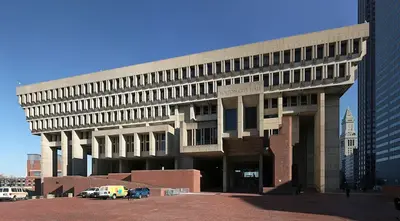
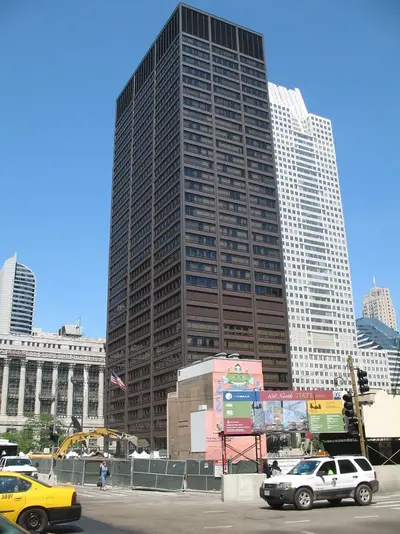
Chicago courthouse weddings happen at the Richard J. Daley Center, a brutalist tower in the heart of the Loop. This is not a windowless basement office. It is a recognizable Chicago landmark, and the plaza outside holds one of the city’s most photographed works of art: the untitled Picasso sculpture. You walk out of your civil ceremony and step right into one of the best photo backdrops in any American city.
At $70 total, a Chicago courthouse wedding is also one of the most affordable options among major U.S. cities. The $60 Cook County marriage license and $10 ceremony fee are hard to beat, and you do not need to be an Illinois resident to take advantage of it. Couples fly in from other states, get married downtown, and spend the savings on dinner.
The Loop location puts world-class photo spots within reach. Millennium Park and Cloud Gate (“The Bean”) are a 10-minute walk east. The Chicago Riverwalk runs along the south branch of the Chicago River, a short walk from the courthouse. The surrounding blocks of the Loop are filled with historic architecture from the Chicago School era. If you care about wedding photos, you will not run out of locations.
Step by Step: How to Get Married at a Chicago Courthouse
1. Gather your documents. Both partners need a valid government-issued photo ID (driver’s license, state ID, or passport) and a Social Security number. If either partner was divorced within the last 6 months, bring a certified copy of the divorce decree. If divorced at any prior time, you will need the date of finalization. If widowed, bring the death certificate of the former spouse.
2. Apply for your Cook County marriage license. Both partners must appear together in person at the Cook County Clerk’s Office, 69 W. Washington St., Suite 120, Chicago. You can start the application online at cookcountyclerkil.gov before visiting. Bring your IDs, pay the $60 fee (cash, check, or credit/debit card), and sign the application. Suburban Cook County Clerk locations in Markham, Skokie, Rolling Meadows, Maywood, and Bridgeview also accept applications.
3. Wait one day. Illinois requires a 1-day waiting period. Your marriage license becomes valid the calendar day after issuance. If you need a same-day ceremony, completing a court-approved premarital course can waive this requirement.
4. Go to the Richard J. Daley Center on your ceremony day. Head to the lower level of the Daley Center at 119 W. Randolph St. This is a different building from the Cook County Clerk’s Office where you applied for your license. Bring your valid marriage license, photo ID for both partners, at least one witness, and $10 in cash for the ceremony fee.
5. Get married. A Cook County judge performs a brief civil ceremony. The whole process takes just a few minutes. Up to 15 guests can join you in the ceremony room.
6. Get your marriage certificate. After the ceremony, the officiant and witnesses sign the marriage license. The officiant returns the completed license to the Cook County Clerk within 10 days. Order certified copies of your marriage certificate from the Clerk’s Office for approximately $15-$20 each.
Marriage License Details
What to Bring to the Cook County Clerk’s Office
Both partners must provide:
- Valid government-issued photo ID (driver’s license, state ID, or passport)
- Social Security number (the number itself; the physical card is not required)
- If divorced within the last 6 months: certified copy of divorce decree
- If divorced at any prior time: date of divorce finalization
- If widowed: death certificate of former spouse
- Ages 16-17: both parents’/guardians’ in-person consent plus a certified birth certificate
Non-U.S. citizens can use a passport as valid ID. There is no residency requirement for Cook County marriage licenses, making Chicago accessible to couples from anywhere.
Cook County Marriage License Fees
| Item | Cost |
|---|---|
| Marriage license | $60 |
| Payment methods | Cash, check, or credit/debit card |
| Certified copy of marriage certificate | ~$15-$20 each |
Where to Apply for a Marriage License in Chicago
Cook County Clerk’s Office (Downtown Chicago) 69 W. Washington St., Suite 120 Chicago, IL 60602
This is the license application office. It is not the ceremony venue.
Suburban Cook County locations: Markham, Skokie, Rolling Meadows, Maywood, and Bridgeview also have satellite offices that accept marriage license applications. Useful if you live in the suburbs or want to avoid the downtown trip.
Waiting Period and License Validity in Illinois
Cook County has a 1-day waiting period. Your marriage license becomes valid the calendar day after you apply. Compared to the 3-day wait in Detroit or the 24-hour wait in New York City, Chicago’s waiting period is among the shortest for major cities.
Your license is valid for 60 days from the date of issuance. The ceremony must take place within Cook County (Chicago and surrounding suburbs).
If you need to get married the same day you apply, a court-approved premarital course can waive the 1-day waiting period. Ask the Cook County Clerk’s Office for approved course providers.
Tip: Apply at least one week before your planned ceremony date. This gives you a buffer for any unexpected issues while staying well within the 60-day window.
Chicago Ceremony Options and What to Expect
Weekday Walk-In Ceremonies (Tuesday through Friday)
Location: Richard J. Daley Center, Lower Level, 119 W. Randolph St., Chicago Hours: 9 AM-12 PM and 2-4 PM Appointment: Not needed. Walk-in, first-come first-served. Fee: $10 (cash recommended)
This is the most common way couples get married at the Daley Center. You show up during ceremony hours, wait for your turn, and a Cook County judge performs a brief civil ceremony. No appointment, no advance scheduling, no extra paperwork.
Arrive early, especially around opening time at 9 AM. Walk-in slots fill up, and Tuesdays and Fridays tend to be the busiest days. Plan to arrive at least 30 minutes before the posted closing time to make sure you are seen.
Saturday Ceremonies (By Appointment)
Hours: 9 AM-12 PM Appointment: Required. Call (312) 603-5660 to schedule.
Saturday ceremonies at the Daley Center are popular and should be booked well in advance. The same $10 ceremony fee applies. Everything else mirrors the weekday walk-in experience, except you have a reserved time slot instead of waiting in line.
Virtual Monday Ceremonies (Zoom)
Hours: 9 AM-4 PM Appointment: Required. Call (312) 603-5660.
The virtual Monday ceremony option was reported by a single research source citing the official Cook County Courts website. Call (312) 603-5660 to verify this option is still available before planning around it.
If schedules make an in-person visit difficult, a Zoom ceremony on Monday may be an option. Contact the Marriage Court directly for current requirements and instructions.
What to Expect During Your Chicago Civil Ceremony
- A Cook County judge performs the ceremony at the Daley Center’s lower level
- The ceremony itself takes just a few minutes
- Up to 15 guests can attend in the ceremony room
- The room is small; fewer guests makes for a more comfortable experience
- No dress code. Couples wear everything from jeans to full wedding attire
- Ceremonies are performed in English
Witness Requirements for Illinois Marriages
Illinois law may not strictly require witnesses for a marriage ceremony, though research sources disagree on this point. Individual judges at the Daley Center may have their own preferences or requirements.
Safe approach: Bring at least one witness. If you do not have someone available, court staff can typically serve in that role. Confirm with the court when you arrive. Unlike Detroit, where Michigan law requires two witnesses, Illinois leaves this somewhat to the officiant’s discretion.
Photography and Guest Tips for Your Chicago Courthouse Wedding
Photography is allowed during the ceremony at the Richard J. Daley Center. No published restrictions on professional photographers exist, though the ceremony room is small. A single photographer works best in the space.
Morning arrivals (9-10 AM) generally produce better lighting conditions inside the building.
Best Photo Spots Near the Daley Center
The ceremony room is a functional government space. Plan your real photo session for before or after the ceremony at these Chicago locations, all within walking distance:
- Daley Center Plaza (the untitled Picasso sculpture sits directly outside the building; the brutalist architecture creates a dramatic backdrop)
- Millennium Park (Cloud Gate, known as “The Bean,” is about a 10-minute walk east along Washington or Randolph)
- Chicago Riverwalk (scenic waterfront along the Chicago River, a short walk south from the Daley Center, especially photogenic in spring and summer)
- Washington Square Park (a quieter green space nearby, good if you prefer something less crowded than Millennium Park)
- Loop Architecture (the surrounding blocks feature buildings from the Chicago School of architecture; walk in any direction for interesting backdrops)
Budget 30-60 minutes after your ceremony for outdoor photos.
Guest Logistics at the Daley Center
Up to 15 guests are permitted in the ceremony room. For guests traveling to downtown Chicago:
- CTA “L” train is the easiest option. The Washington/Dearborn Blue Line station and Washington/Wabash elevated station are both short walks from the Daley Center.
- Rideshare drop-off on Randolph or Washington streets puts guests right at the door.
- Driving is the most expensive option. See parking tips below.
Practical Tips for Your Chicago Courthouse Wedding
Parking: Downtown Loop parking is expensive. Street metered parking is scarce, and garage rates run $20-$40+ depending on the time and location. If you must drive, search for garages near Randolph or Washington streets. Consider parking in a nearby neighborhood and taking the “L” in.
Public transit: The CTA is the best way to reach the Daley Center. The Blue Line (Washington/Dearborn), Brown/Pink/Orange Lines (Washington/Wabash), and multiple bus routes all serve the area. If you are visiting Chicago specifically for your wedding, a CTA day pass covers unlimited rides.
Best times to go: Arrive when doors open at 9 AM for the shortest wait. Tuesdays and Fridays are the busiest weekdays for walk-in ceremonies. Wednesday and Thursday mornings tend to be calmer. Avoid arriving close to the noon break (12-2 PM) or the 4 PM closing time.
What to wear: There is no dress code. Couples wear jeans, business casual, cocktail attire, and full wedding gowns. The Daley Center is a working courthouse, so you will share the building with attorneys and jurors. Wear whatever feels right for your day.
Bring cash. The $10 ceremony fee may need to be paid in cash. Do not assume cards are accepted for this payment.
Order multiple certified copies. You will need certified copies of your marriage certificate for name changes at the Social Security Administration, DMV, and passport office. They cost approximately $15-$20 each from the Cook County Clerk. Order at least 3-4 copies.
Watch for holiday closures. The Daley Center closes on Illinois state holidays, including Casimir Pulaski Day (first Monday of March). Check the court calendar before locking in your date.
Book Saturday early. If you want a weekend ceremony, call (312) 603-5660 as soon as you know your date. Saturday appointment slots fill up quickly.
Common mistake: wrong building. Many guides refer to “Chicago City Hall weddings,” but ceremonies take place at the Richard J. Daley Center (119 W. Randolph St.), not City Hall (121 N. LaSalle St.). These are different buildings. Make sure you and your guests go to the right one.
Frequently Asked Questions
How much does a courthouse wedding cost in Chicago?
A courthouse wedding in Chicago costs as little as $70 total. That breaks down to $60 for the Cook County marriage license and $10 for the ceremony fee at the Richard J. Daley Center. Certified copies of your marriage certificate cost approximately $15-$20 each from the Cook County Clerk. Compared to cities like San Francisco or Los Angeles, Chicago is one of the most affordable courthouse wedding options among major U.S. cities.
Do I need an appointment for a Chicago courthouse wedding?
For weekday ceremonies (Tuesday through Friday), no appointment is needed. Walk-in ceremonies at the Daley Center run on a first-come, first-served basis from 9 AM-12 PM and 2-4 PM. Saturday ceremonies require an appointment, booked by calling (312) 603-5660. A virtual Monday ceremony via Zoom may also be available by appointment (call the same number to verify).
How long is the waiting period for a marriage license in Cook County?
Cook County has a 1-day waiting period. Your marriage license becomes valid the calendar day after you apply. This is one of the shortest waiting periods of any major city. If you need to get married the same day, a court-approved premarital course may waive the waiting period. The license remains valid for 60 days and can only be used for ceremonies within Cook County.
Can non-residents get married in Chicago?
Yes. There is no residency requirement for a Cook County marriage license. You do not need to live in Illinois or be a U.S. citizen. Non-U.S. citizens can use a valid passport as identification. The only geographic restriction is that the ceremony must take place within Cook County, which includes Chicago and its surrounding suburbs.